
Tale of the Kumano Kodo: A Pilgrimage Trail in Japan (Kohechi to Nakahechi)
Reika Yoga | OCT 22, 2025

What is Kumano Kodo?
I first learned about Kumano Kodo 熊野古道 several years ago from one of my favorite hiking YouTube channels. I discovered that this is not just another beautiful hiking route, but a spiritual pilgrimage trail in my home country of Japan. The fact that these trails hold history, spirit, and deep meaning made me want to hike them even more. I later found out that Kumano Kodo is a UNESCO World Heritage site and a sister trail to the Camino de Santiago in Spain. All of this to say, I knew I had to walk this pilgrimage, and I knew it was going to be a special experience.
There are a total of six, some say seven, different routes that make up the Kumano Kodo. I even learned that women are not allowed to enter certain areas of the trail, and that these old outdated traditions still continue in some parts of the pilgrimage. The main routes of Kumano all lead to the three grand temples in the region: Kumano Hongu Taisha, Kumano Nachi Taisha, and Kumano Hayatama Taisha. In addition to these main temples, there are many smaller temples, shrines, and Ojizo-san (small statues) scattered all along the trail.

The Nakahechi route is the most popular, with the most tourists and hikers, as well as plenty of information and infrastructure for anyone who wants to tackle this pilgrimage route. Kohechi is another route, known for being more challenging and not recommended for beginners or inexperienced hikers. Because I wasn’t too fond of doing the most popular and well-known route, I decided that I could probably hike the Kohechi route instead. The Kohechi route starts from Koyasan and, over four days, travels to Kumano Hongu Taisha. Since I didn’t want to end the pilgrimage without visiting all three main temples of Kumano, I planned my trip to continue onto the second half of Nakahechi after completing Kohechi. This made our itinerary somewhat unique, a combination of Kohechi and Nakahechi, ending in Shingu, where we could visit all three main temples. In total, our pilgrimage was six full days of hiking.
 Map of Kohechi to second half of Nakahechi route
Since it was hard for me to find clear information on this unique route, especially details that would have helped me prepare, I decided to dedicate a blog post to sharing my experience on this trail.
I hiked this pilgrimage with my best friend of 25 years. I’ve known her since I moved from Japan to the U.S. in 2000. This Kumano pilgrimage took place in October of 2025, which made it extra special because we were celebrating 25 years of friendship :)
Before I share our hiking experience, I want to give a little context about our fitness levels. Both my friend and I are 37-year-old women. She’s a lifelong basketball player who still plays regularly to this day. I’m a full-time yoga teacher, and the year I did this hike, I ran my first marathon and a 50 km ultra trail marathon. That training became my preparation for this six-day adventure.
Disclaimers:
I used my Garmin Forerunner 55 to track all of our mileage, elevation gain, and time throughout the trip. The recorded time includes everything from the moment we left the guesthouse until we arrived at the next one, this means sightseeing at temples, stopping for lunch, at viewpoints, and any other breaks are all included in the total time listed on this blog.
Preparing for the Pilgrimage
All accommodation bookings for Kumano Kodo must be made through the Tanabe City Kumano Tourism Bureau. I tried searching for accommodations on my own in both English and Japanese, but many of the towns along the way are in the countryside, and most minshuku (guesthouses) don’t have websites. In conclusion, booking through the Kumano Tourism website is the best way to go.
You have to decide your route and dates, then submit accommodation requests for each town you plan to stay in, listing your top three choices in case your first choice isn’t available. That way, you’ll be offered your second or third option. I submitted our accommodation requests to hike our pilgrimage at the beginning of October 2025 through the website on: February 27, 2025, and we were approved on April 24, 2025. It took two months of waiting to get approved.
Once approved, you pay the full total of your accommodation cost online. We paid $406 per person for six nights. Three of the accommodations offered the option to includ dinner, breakfast, and a packed lunch for extra cost, so we did. One offered dinner and breakfast, and two did not include any meals.
When booking accommodations online, I recommend adding all meal options if they’re available. If a particular accommodation doesn’t offer meals, that typically means there will be food options in town. On the other hand, accommodations in smaller countryside towns, where convenience stores or restaurants aren’t easily accessible, almost always offer meal packages as part of the booking.
My suggestion: if it’s available, say YES to including meals in your accommodation bookings. I’ve heard from other hikers that if you have complicated food restrictions or allergies, it can be more challenging to get accepted to accommodations that is willing to work with your dietary restrictions.
Koyasan — Day 0
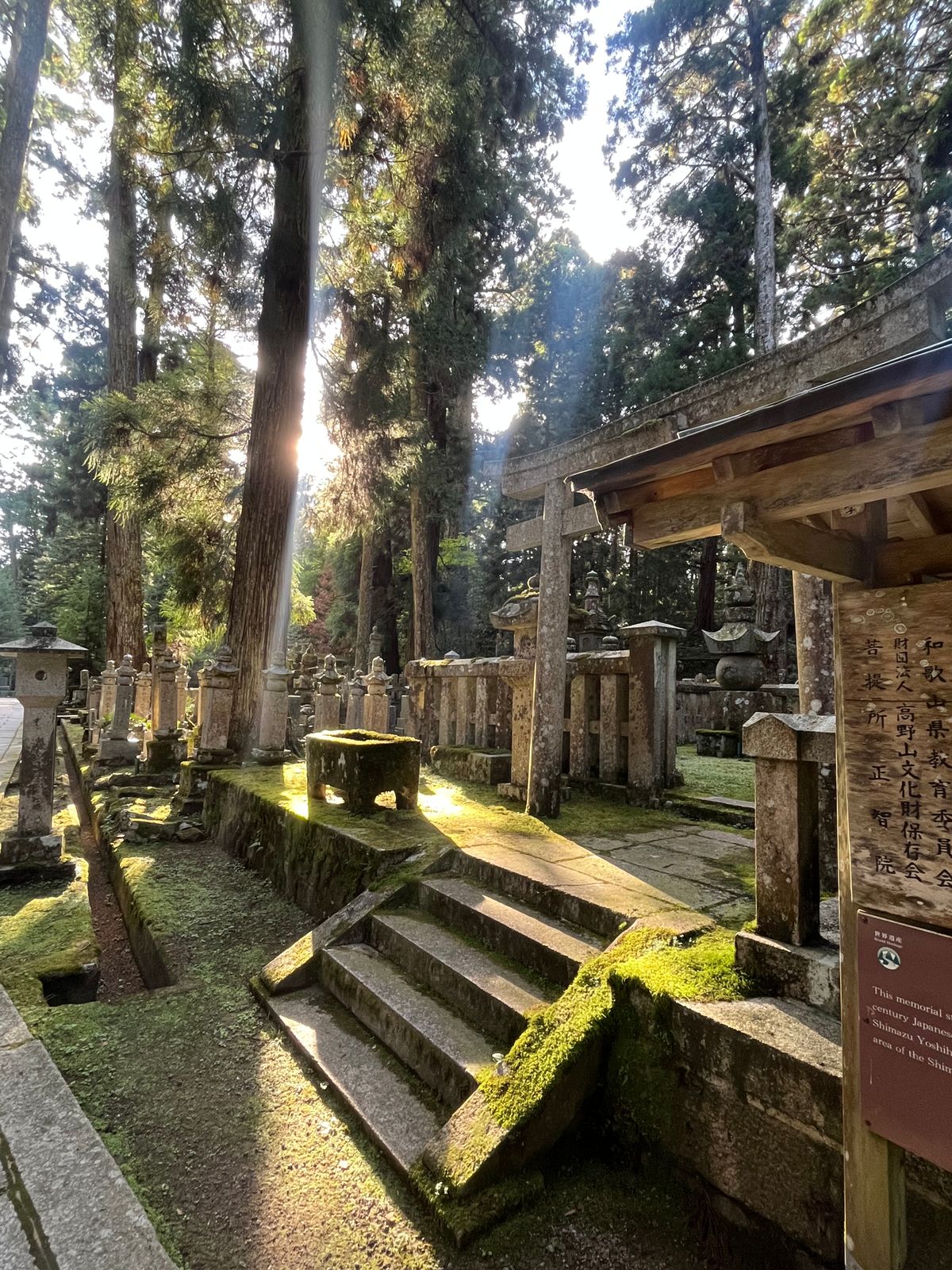 Cemetery in Koyasan
We started our pilgrimage journey in Koyasan. To get there from Osaka, we took a combination of trains, a cable car, and a bus. We simply followed the instructions on Google Maps to learn what form of transportation to take and for what time. The ride from Osaka to Koyasan was a beautiful and scenic journey. We arrived in the early afternoon and were so glad to have half a day to explore and sightsee.
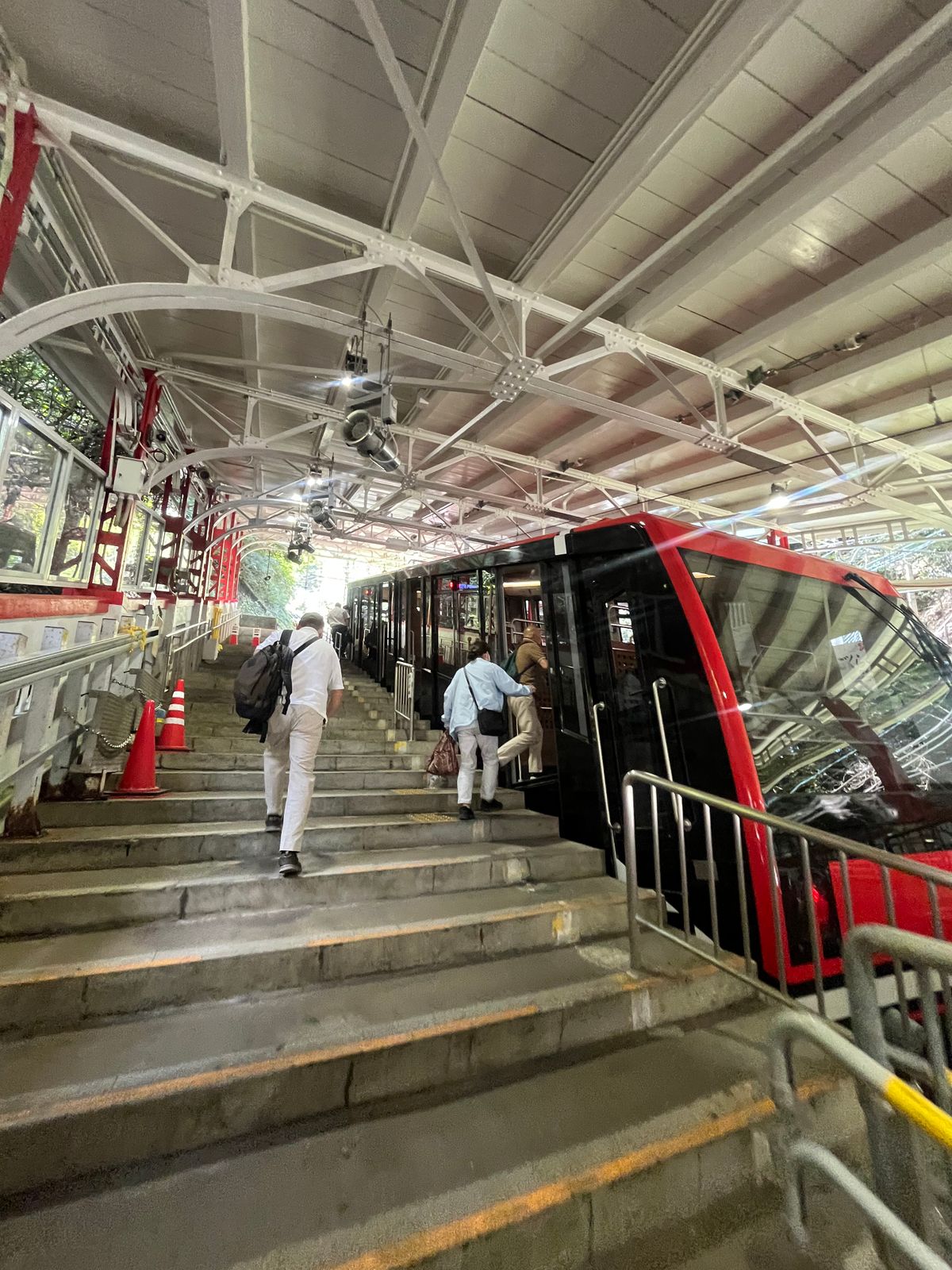 Cable Chart to Koyasan
Koyasan is home to the largest cemetery in Japan, and it’s absolutely worth visiting. We spent time strolling around the cemetery and soaking in its atmosphere. We also visited the information center to pick up Kohechi and Nakahechi maps, a stamp card, and a Kumano Kodo guidebook. The guidebook focuses mostly on the Nakahechi route, but we still found it really helpful and learned a lot from it. We got our first stamp of the trail at the information center in Koyasan.
Before heading back to our accommodation, we stopped by a convenience store (known as コンビニ “konbini”) to buy food for breakfast the next morning, snacks, and packed lunches for the first day of hiking.
We stayed at Koyasan Guest House Kokuu, which I believe is the most affordable option in Koyasan. The guesthouse offers both dormitory beds and private rooms with a simple layout. The owner was really friendly and gave us great tips for exploring the area. The hostel offers breakfast for an extra cost, but since we wanted to start our hike super early, we opted out and bought food from the konbini instead for our breakfast and packed lunches for Day 1 of the hike.
Kohechi — Day 1


Koyasan to Otama
Distance: 12.52 miles
Elevation Gain: 2,424 ft
Time: 5 hours 8 minutes
 Leaving Koyasan Guest House at 6am
We left Koyasan at 6 a.m. and started walking toward the trailhead. On the way, we grabbed a latte at a cute coffee shop that was open early. Once we began hiking, the trail seemed well marked, and not too far in, we saw a family of deer. About 20–30% of the route on this day was on paved road shared with cars and motorcycles. Walking on the road wasn’t our favorite, but we were so excited to finally be starting our trip that our giddiness easily outweighed the inconvenience.
 Koyasan Coffee shop that we bought latte in the morning before the hike
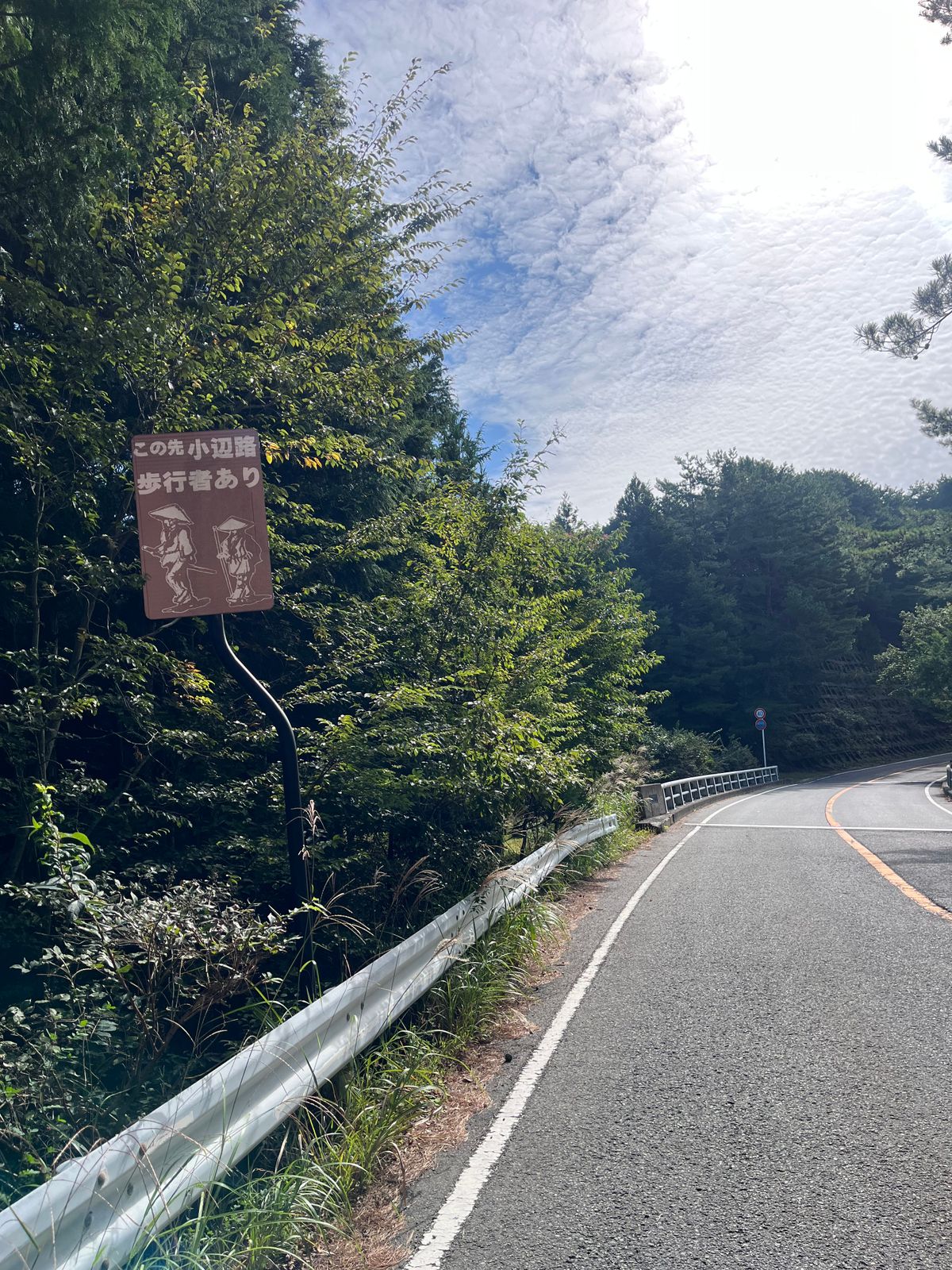


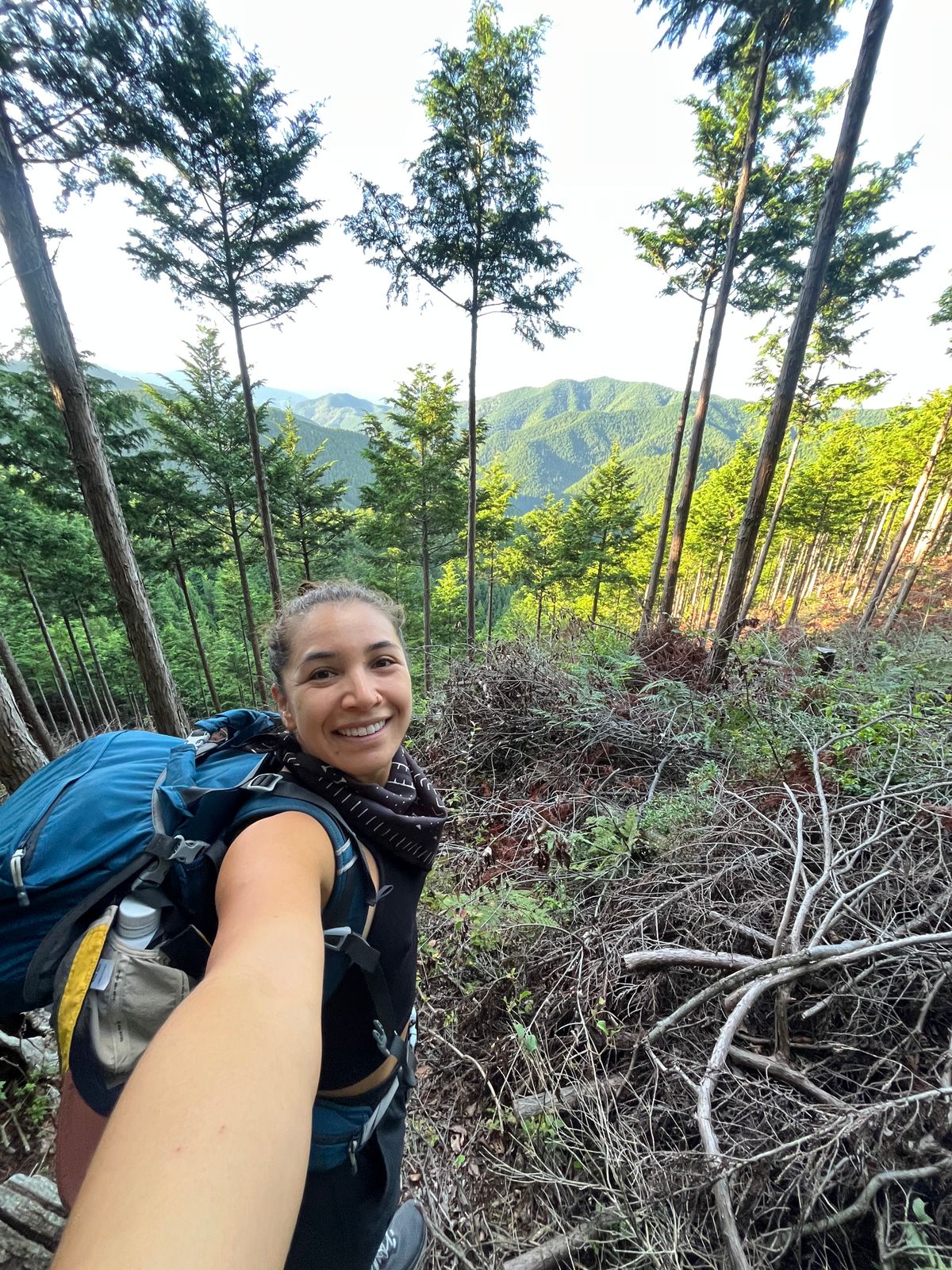
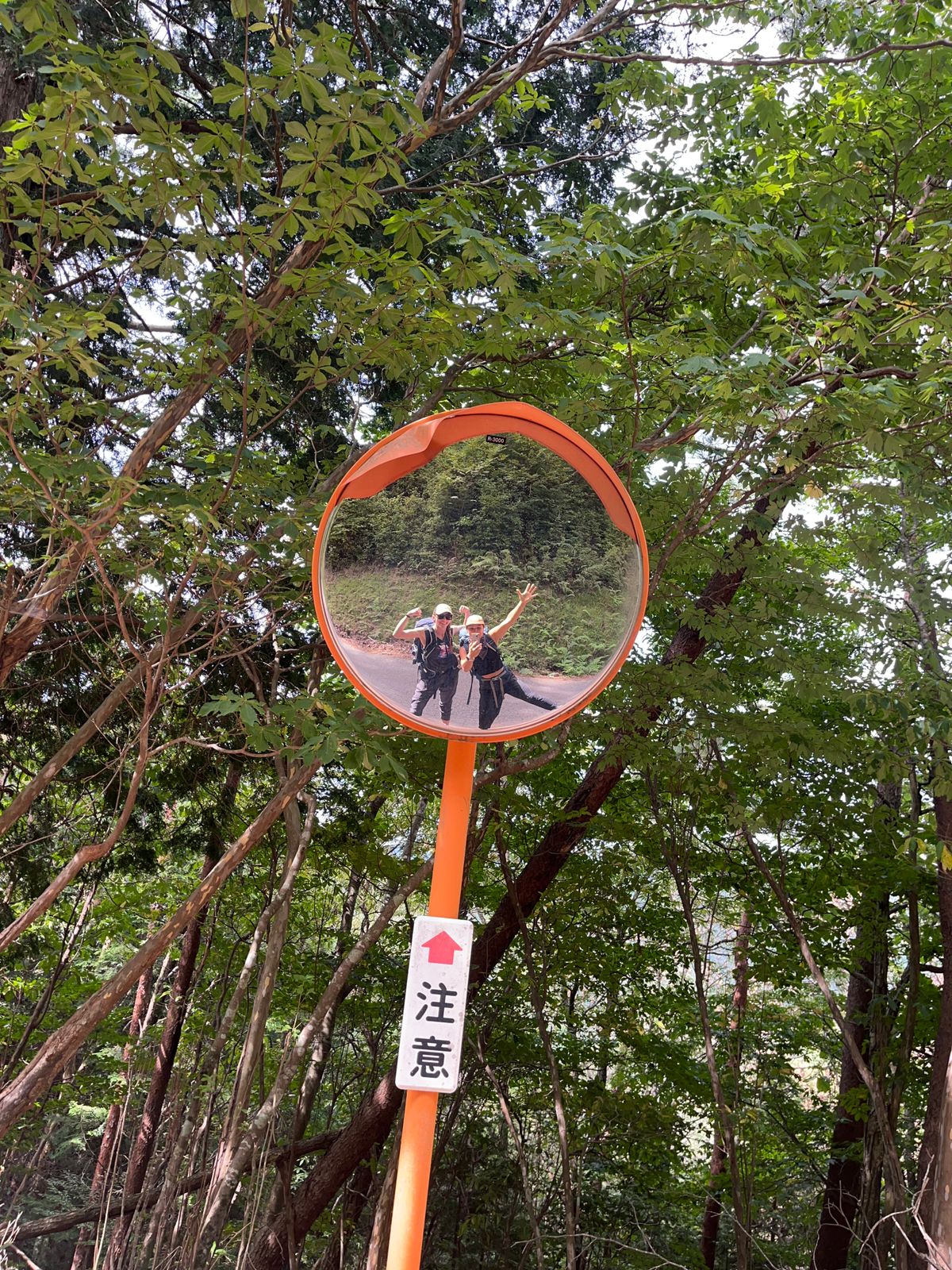

We booked a stay at Minshuku Kawarabi-so in Otama. The directions said we could use the pay phone at the end of the trail to call the guesthouse, and they would pick us up. But since we arrived in Otama around 12 p.m. much earlier than expected, we decided to walk the last 1–2 km uphill on the road to the guesthouse.
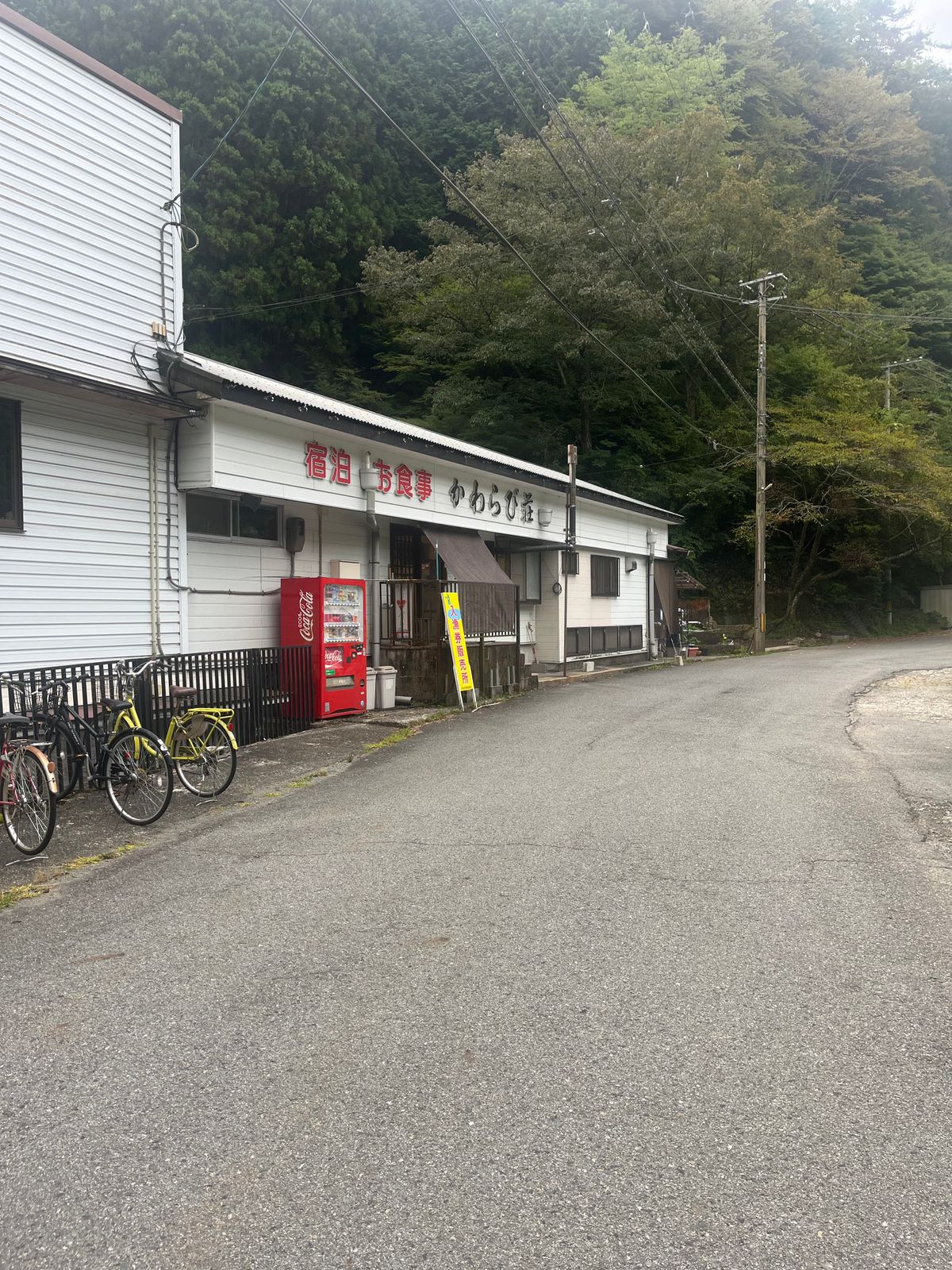 Minshuku Kawarabi-so
Once we arrived and checked in, the owner told us we could borrow their bicycles to go to the nearby onsen (hot springs) hotel and enjoy a soak. Because we were staying at a nearby guesthouse, we received a small discount and paid 600 yen instead of 800 yen for the onsen. It was a lovely short bike ride up the mountain road. We were the only two people in the onsen the whole time, and it felt amazing to let our bodies rest and recover after the first day of hiking.
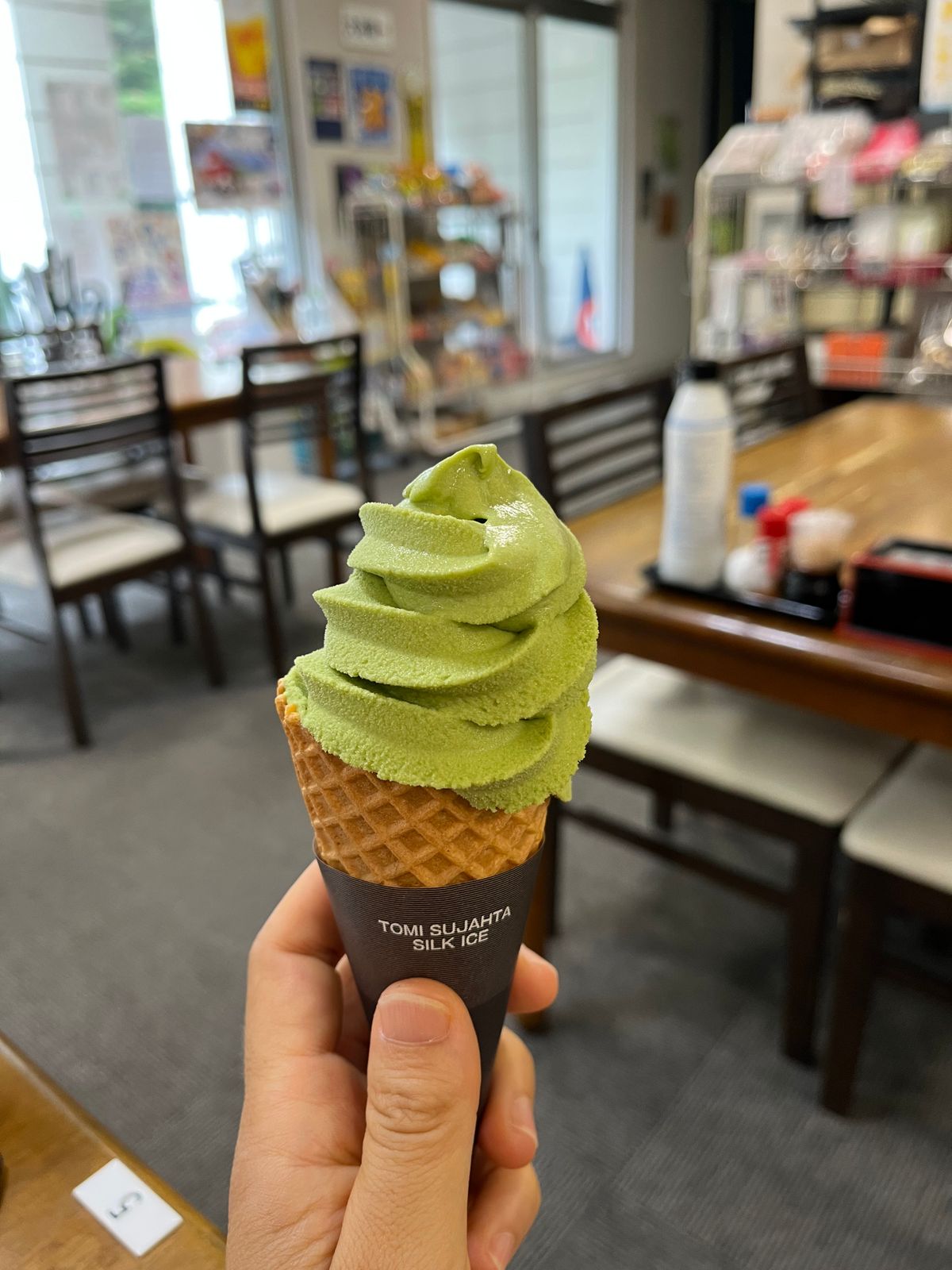 Matcha soft-serve at Onsen
The onsen hotel had snacks, meals, drinks, and ice cream for sale, which was super convenient since Otama is such a small town with no konbini, shops, or restaurants. We enjoyed some snacks, matcha soft serve, and hot tea, and hung around the lobby for about an hour before heading back to the guesthouse.
Unlike some other guesthouses, this one didn’t provide yukata to wear at night.
Our accommodation included dinner, breakfast, and a packed lunch. Dinner was a delicious duck hotpot, breakfast was a typical Japanese-style meal, and for lunch the next day they packed two onigiris with small vegetable sides. They also offered us a shuttle back to the trailhead in Otama the next morning. We left around 7:30 a.m. feeling rested and ready for Day 2.

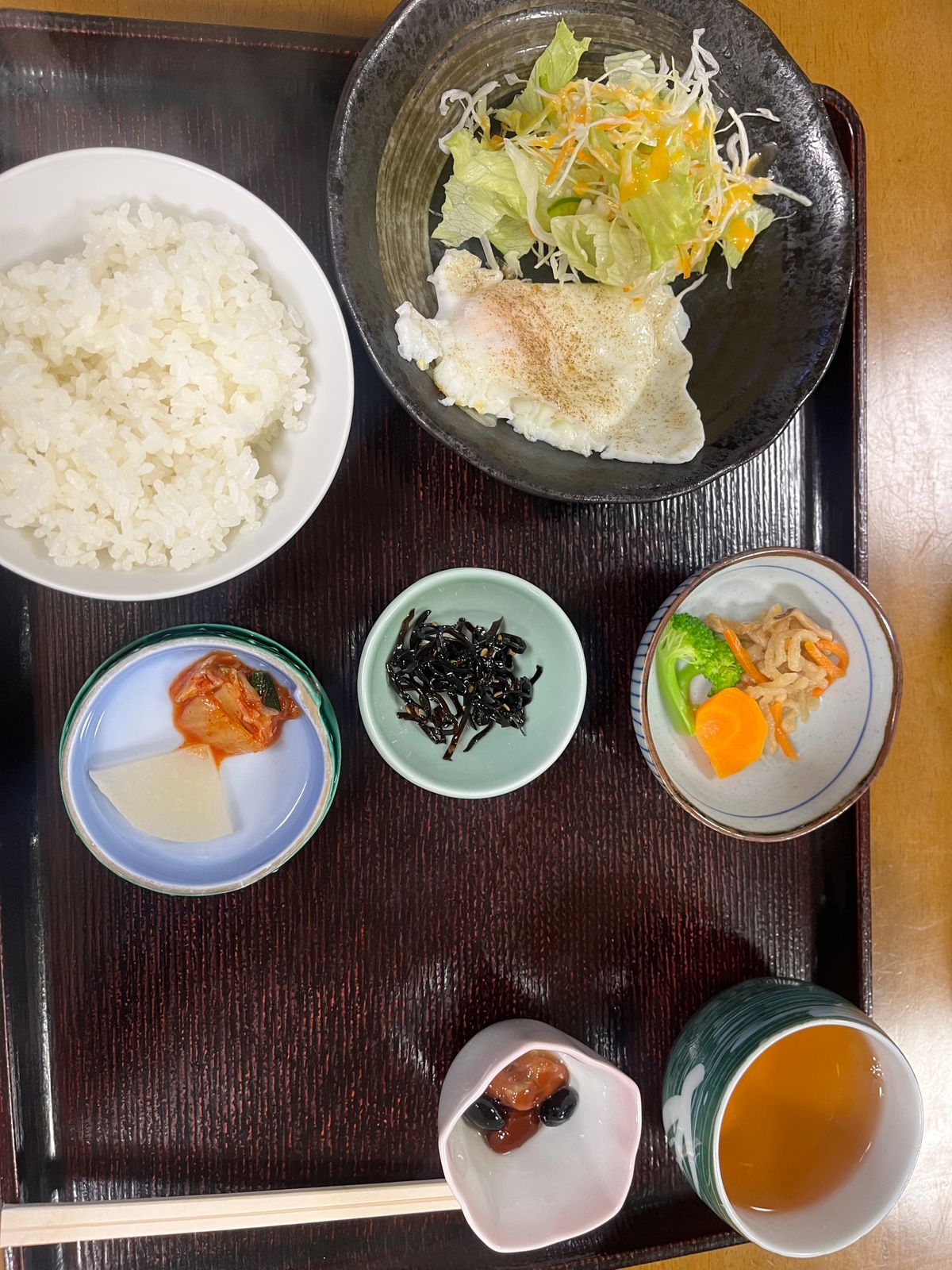 Duck Hotpot for dinner / breakfast
Kohechi — Day 2


Otama to Miuraguchi
Distance: 9.23 miles
Elevation Gain: 3,249 ft
Time: 4 hours 25 minutes
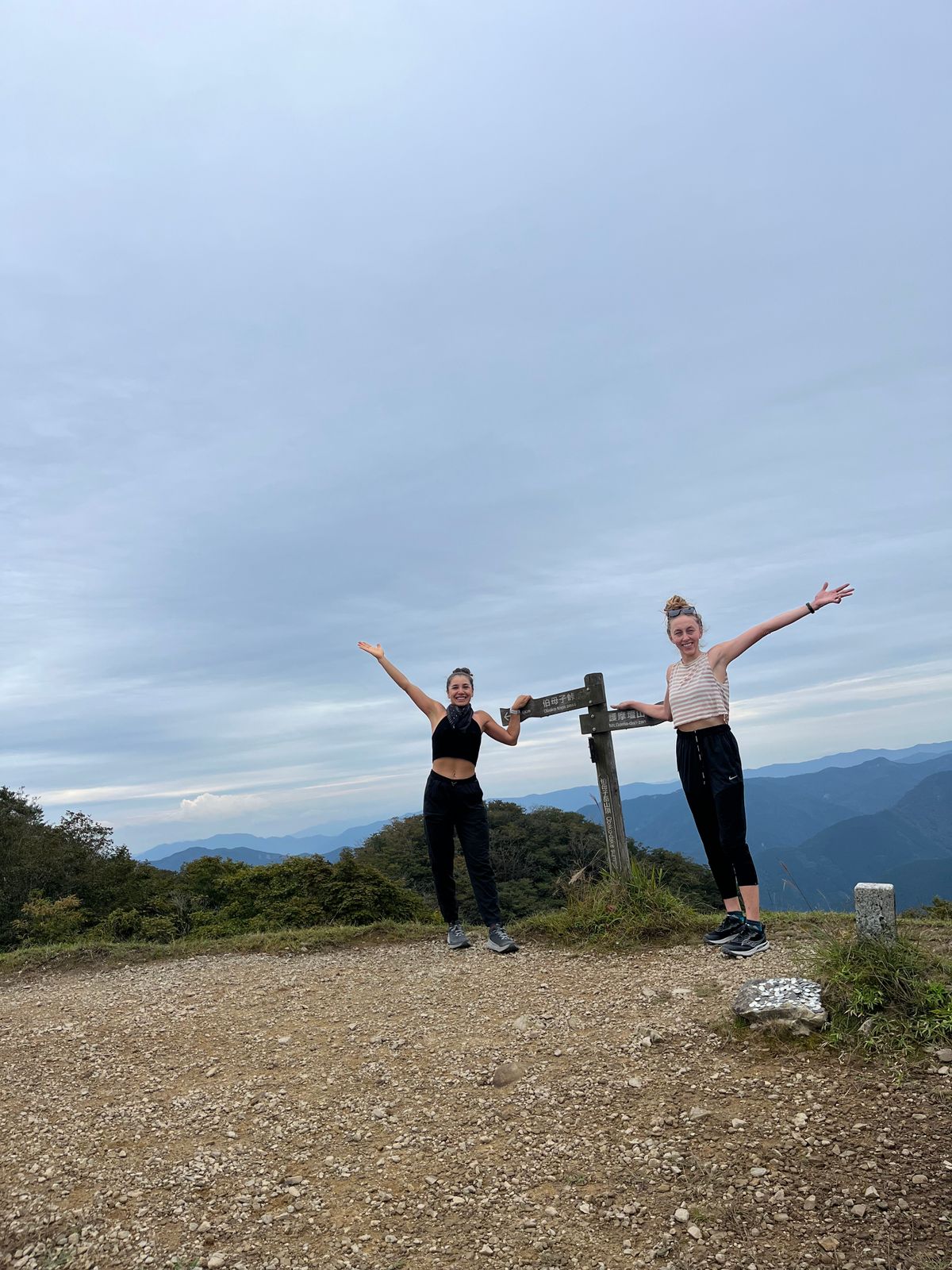
We left Otama at 7:30 a.m. with our packed lunches in our backpacks. This ended up being the shortest hiking day of the trip. We climbed a big mountain that day, and the uphill was steep and steady. The viewpoint at the very top made the climb absolutely worth it.


We arrived at our accommodation, Minshuku Mandokoro, which was probably our favorite and most memorable place of the entire pilgrimage, purely because of the hosts.
This old guesthouse is run by an 80-something-year-old mother and her son. They opened the guesthouse years ago after the town’s school closed down due to a declining population. After the school closed, the mother felt strongly about bringing travelers to this beautiful farming town to share its special charm and sense of community. As her health began to deteriorate, her son became her primary caregiver while also running the guesthouse. Although some of the attention to detail may have lessened after the mother’s health declined, the heart and warmth of the place were still very much present.
It was so heartwarming to see the two of them living side by side in the remote Japanese countryside, welcoming Kumano hikers into their home, sharing home-cooked meals made with local seasonal ingredients, their warmth, and their stories. We could tell that it brought the mother so much joy to sit and share meals with the travelers who came through their home. They let us wash our clothes and hang them to dry in our room. Dinner and breakfast were both generous and delicious, and they packed us onigiri with small sides for lunch the next day. To this day, I believe the lunch packed by the son was the best-packed lunch we received on this trip.

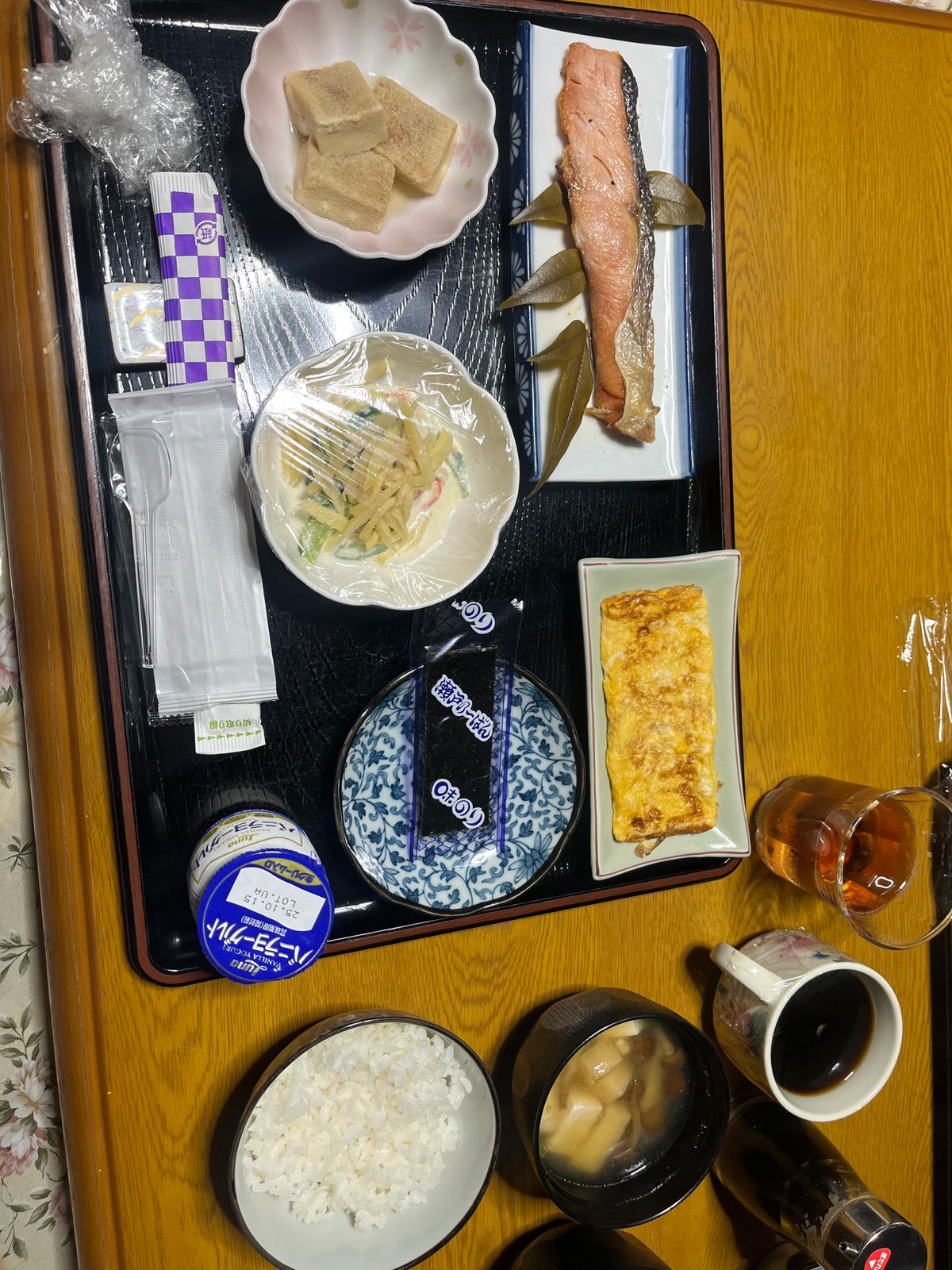
Their hospitality, kindness, and the story of this mother and son left a lasting imprint on our hearts. The next morning, after a filling breakfast, we left the guesthouse in the rain, and the son walked us out to see us off.
This guesthouse also provided yukata for us to wear at night.
Kohechi — Day 3


Miuraguchi to Totsukawa Onsen
Distance: 14.48 miles
Elevation Gain: 3,327 ft
Time: 6 hours 4 minutes

We had breakfast at 6 a.m. and left the home of the mother and son at 6:30 a.m. It was raining as we set out, and the son walked us to see us off. We truly felt their generous, compassionate hospitality.
Although it drizzled most of the day, much of our hike was under tree cover, so we didn’t feel completely drenched. A backpack cover was definitely useful. We saw tons of toads along the trail and faced another steep climb up the mountain. At the top, there was a water refill station, and after descending the other side, we found another beautiful spring-fed water source.

About 5–6 miles of the last portion of the day’s route was on road. After descending the mountain, we walked on paved roads for another 1–2 hours to reach Totsukawa Onsen. Many people choose to catch the bus for this section, but of course we wanted to walk every bit of it even through the rain. Along the way, we stopped at a small local shop to buy snacks and drinks. Vending machines were also available in town as we walked in the rain to our accommodation.
We stayed at Taiyo-no-yu in Totsukawa Onsen town. We were very glad to finally arrive, because walking on paved roads in the rain for the last couple of hours had started to affect our spirits. Once there, we took advantage of the rooftop private onsen to rest and heal our tired bodies. This place offered dinner and breakfast, but no packed lunch, so we went into town to purchase snacks and lunch for the next day. There were plenty of stores and restaurants in the town to restock.
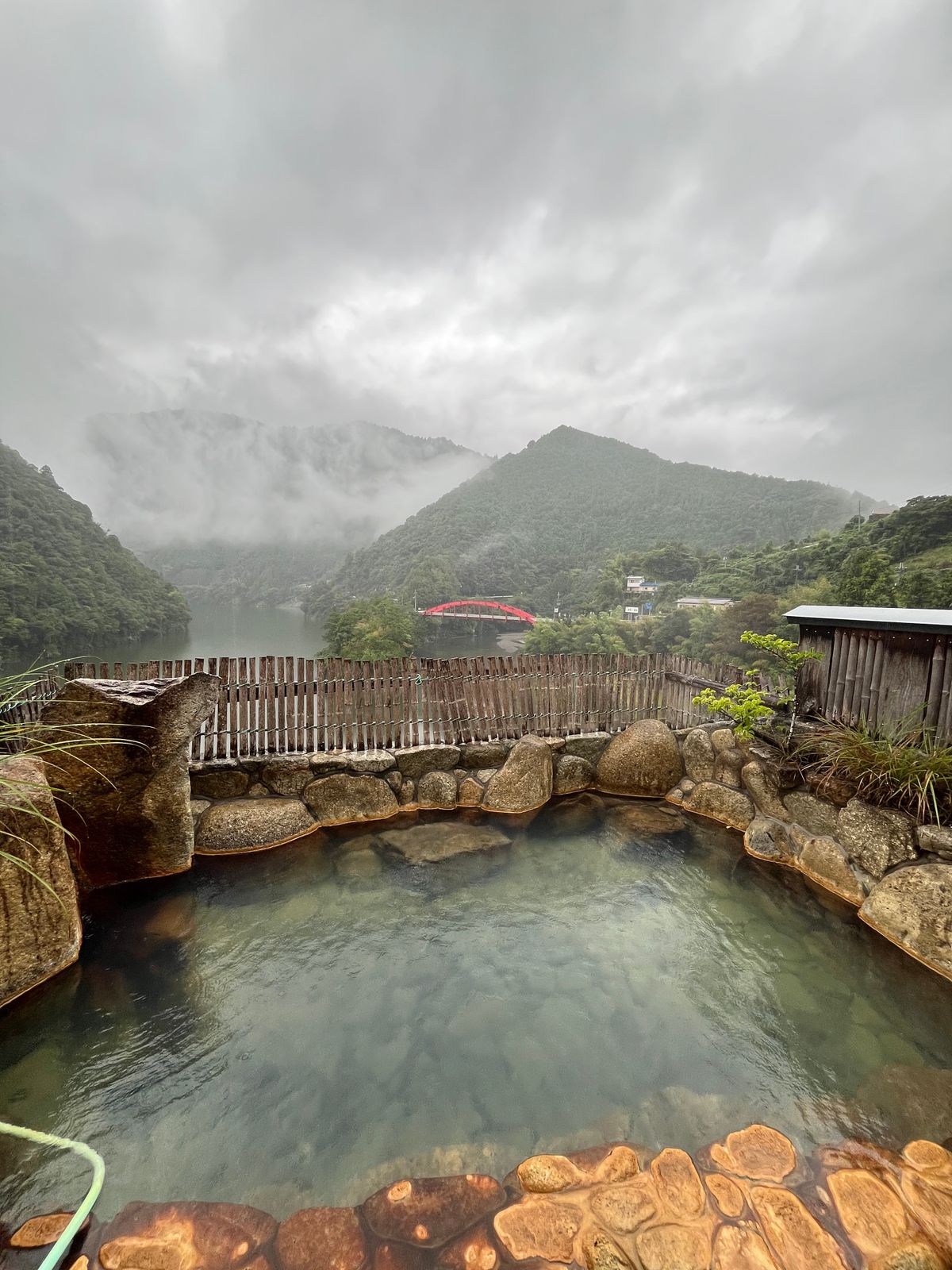
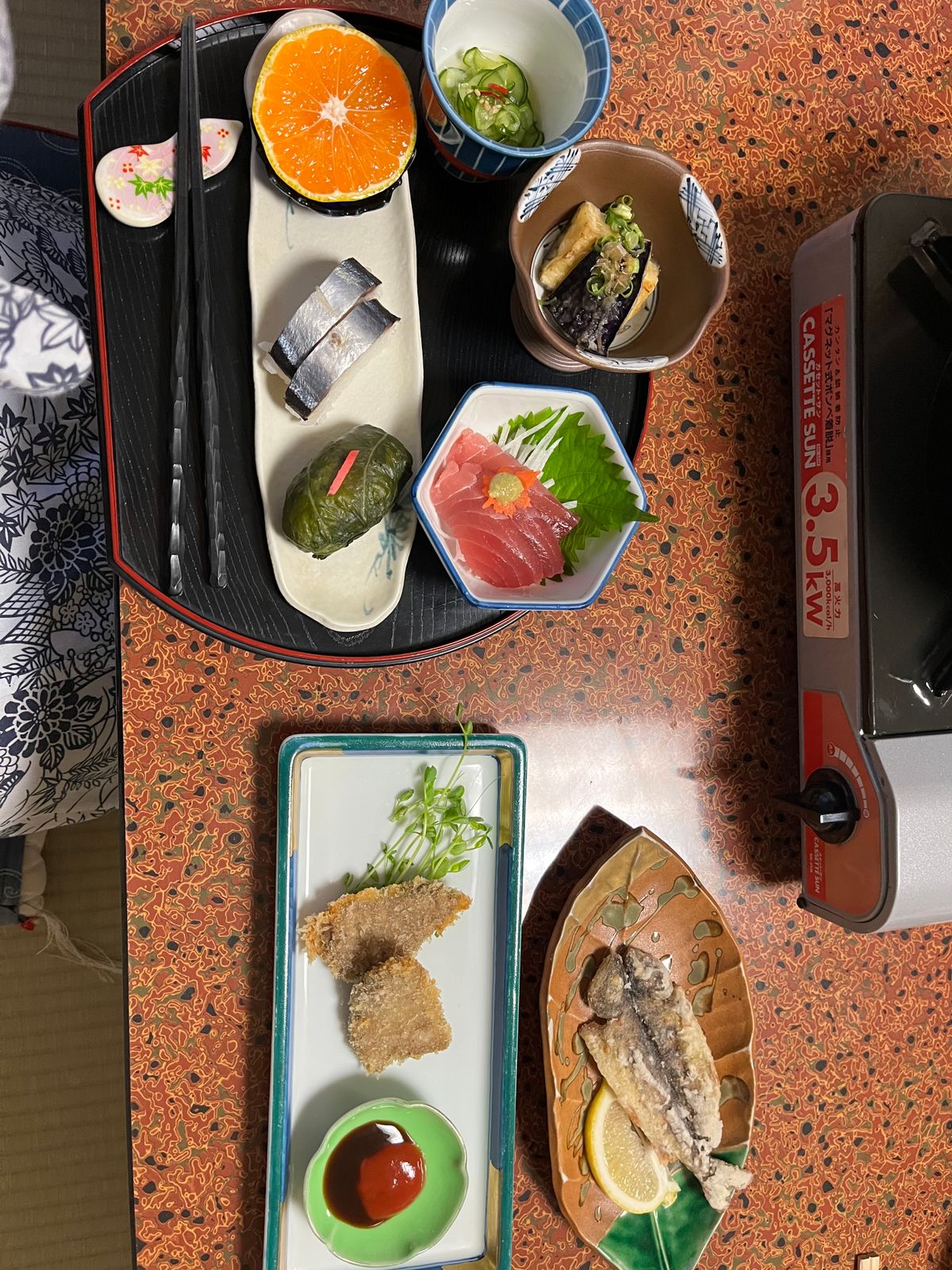
While this accommodation wasn’t particularly personable, it had the best meals of the whole trip! We enjoyed a wild boar hot pot for dinner and another beautiful traditional Japanese breakfast in the morning. The private rooftop onsen made it our favorite onsen experience of the trip 🙂


This guesthouse also provided yukata for us to wear at night.
Kohechi — Day 4


Totsukawa Onsen to Hongu Taisha to Yunomine Onsen
Distance: 14.49 miles
Elevation Gain: 4,816 ft
Time: 8 hours 29 minutes
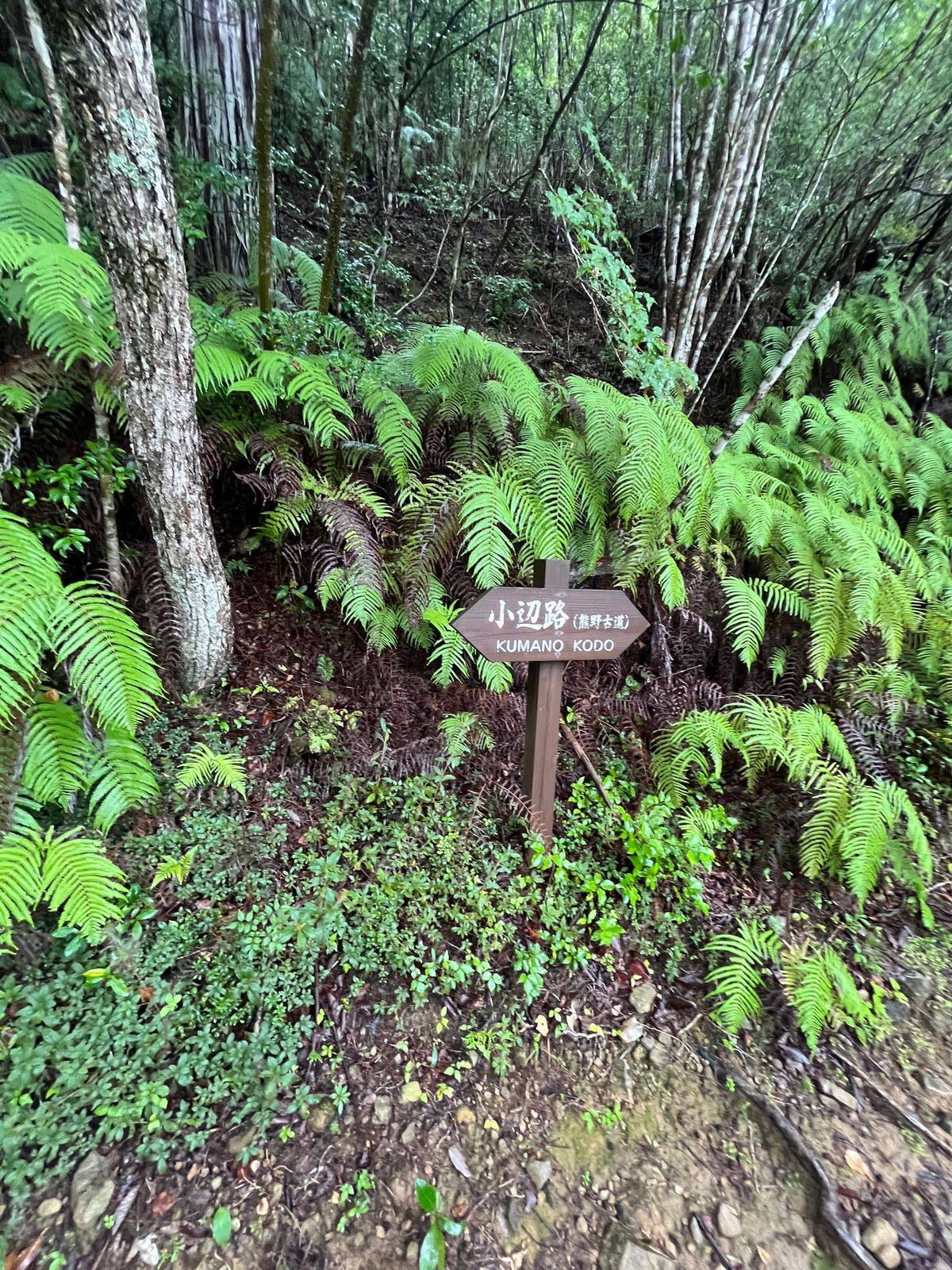
We left at 7:30 a.m. after a delicious breakfast to start hiking. This was our last day on the Kohechi route, and we would end the day on Nakahechi. We almost wished we had given Kohechi a proper farewell on this day, because the energy and vibe of the trail definitely changed once we transitioned from Kohechi to Nakahechi.
As we left town in the morning, we saw monkeys along the trail. We also noticed far more hikers, and the trail felt more crowded. After climbing up and down the day’s mountain, we walked on the road for a bit before rejoining the Nakahechi route to arrive at Hongu Taisha. Along this road section, we discovered an amazing bus stop with a small store/restaurant as a rest stop. We ate lunch on the picnic table provided and bought a bunch of food to hold us over for the next day’s breakfast and lunch, since we knew our next accommodation didn’t include any meals. We were very happy to find this store!

Rejoining the trail to Hongu Taisha after the short section of paved road was a little tricky. We almost missed the turnoff, and if our trail friend Jill hadn’t pointed it out, we probably would have missed the trail turnoff and taken the paved road the whole way to Hongu Taisha (thank you Jill!)
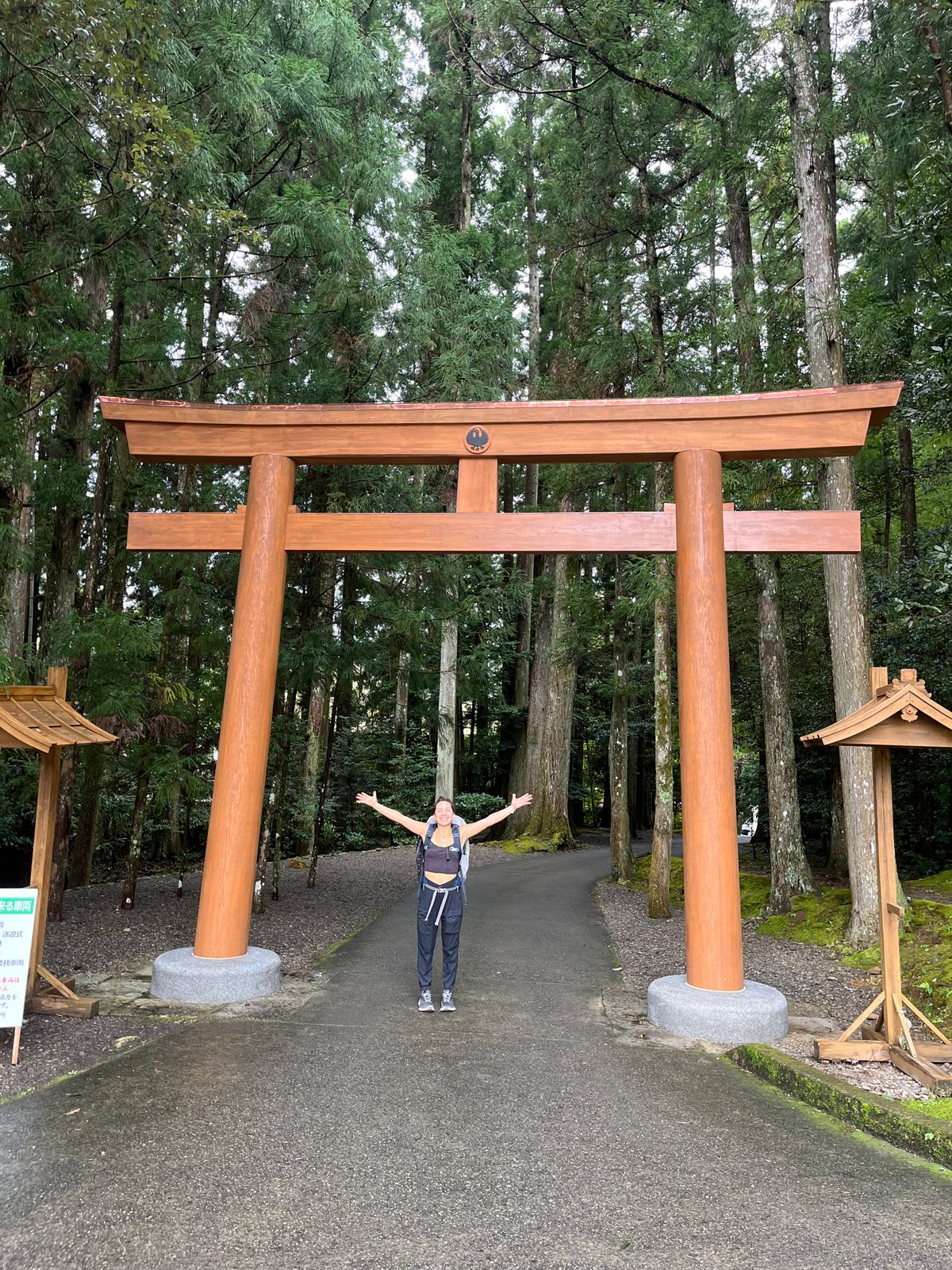
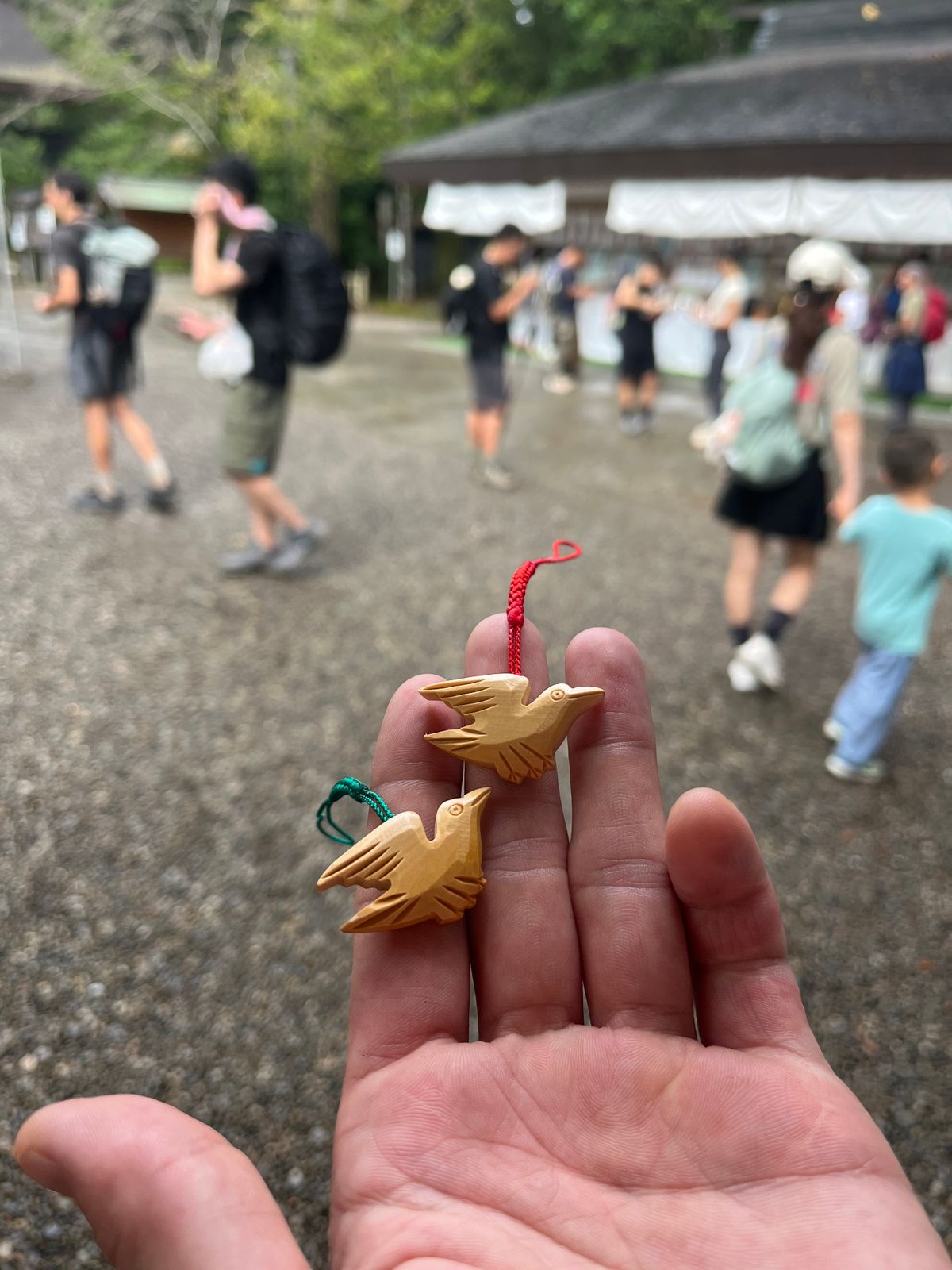
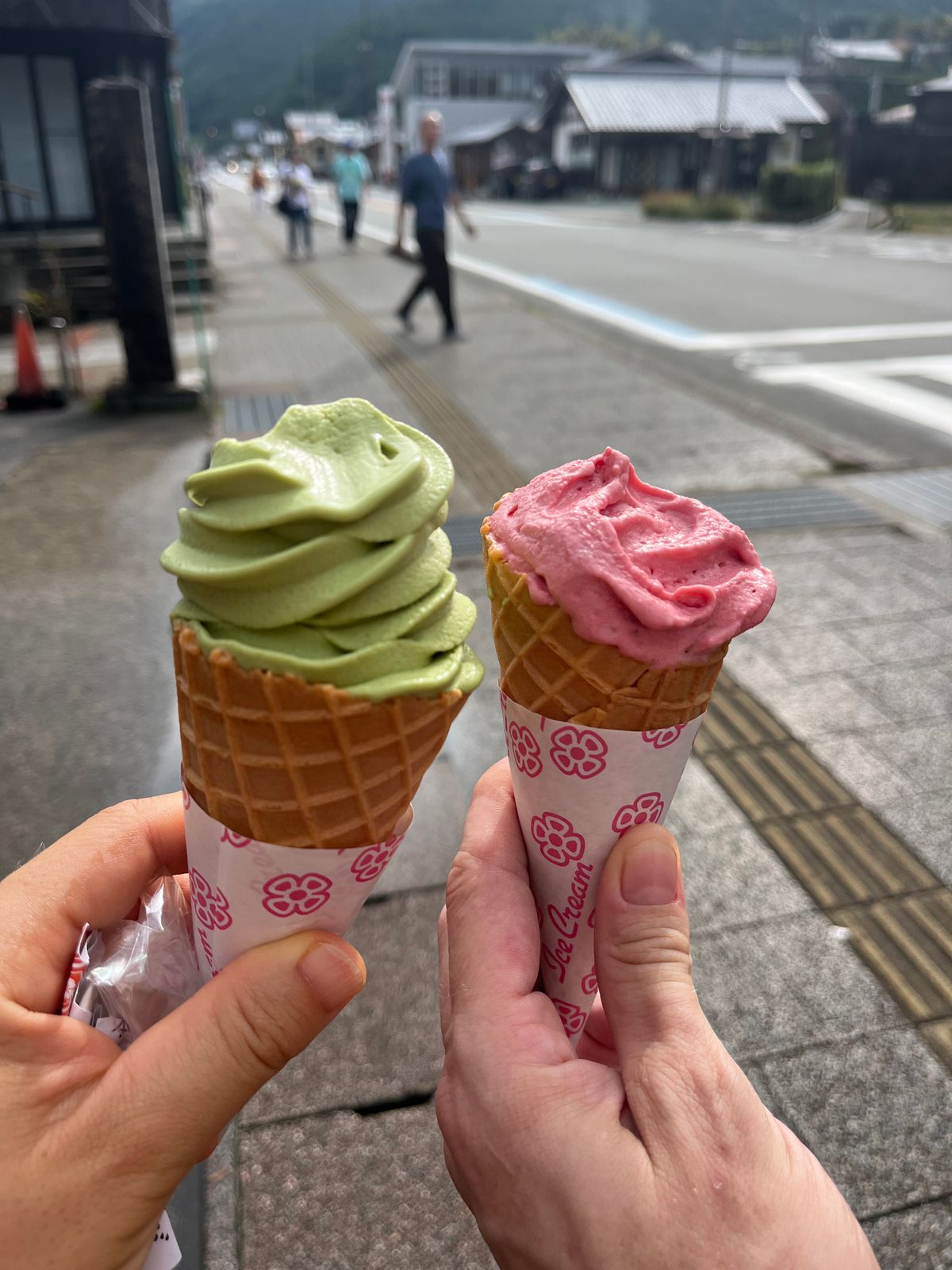
Once we reached Hongu Taisha, a temple full of visitors, we prayed, bought some omamori (protective charms), and walked into town for soft-serve ice cream. We also walked through the largest torii gate in Japan, which was definitely worth it! Then we tried to figure out how to get to our accommodation for the night in Yunomine Onsen. We didn’t expect the last little hike from Hongu Taisha to Yunomine Onsen to be so long or difficult, so it was a surprise. After a long day of hiking to reach Hongu Taisha, it was especially challenging to tackle the last 2 km up and down a steep mountain, since our minds were already feeling like the day was done.
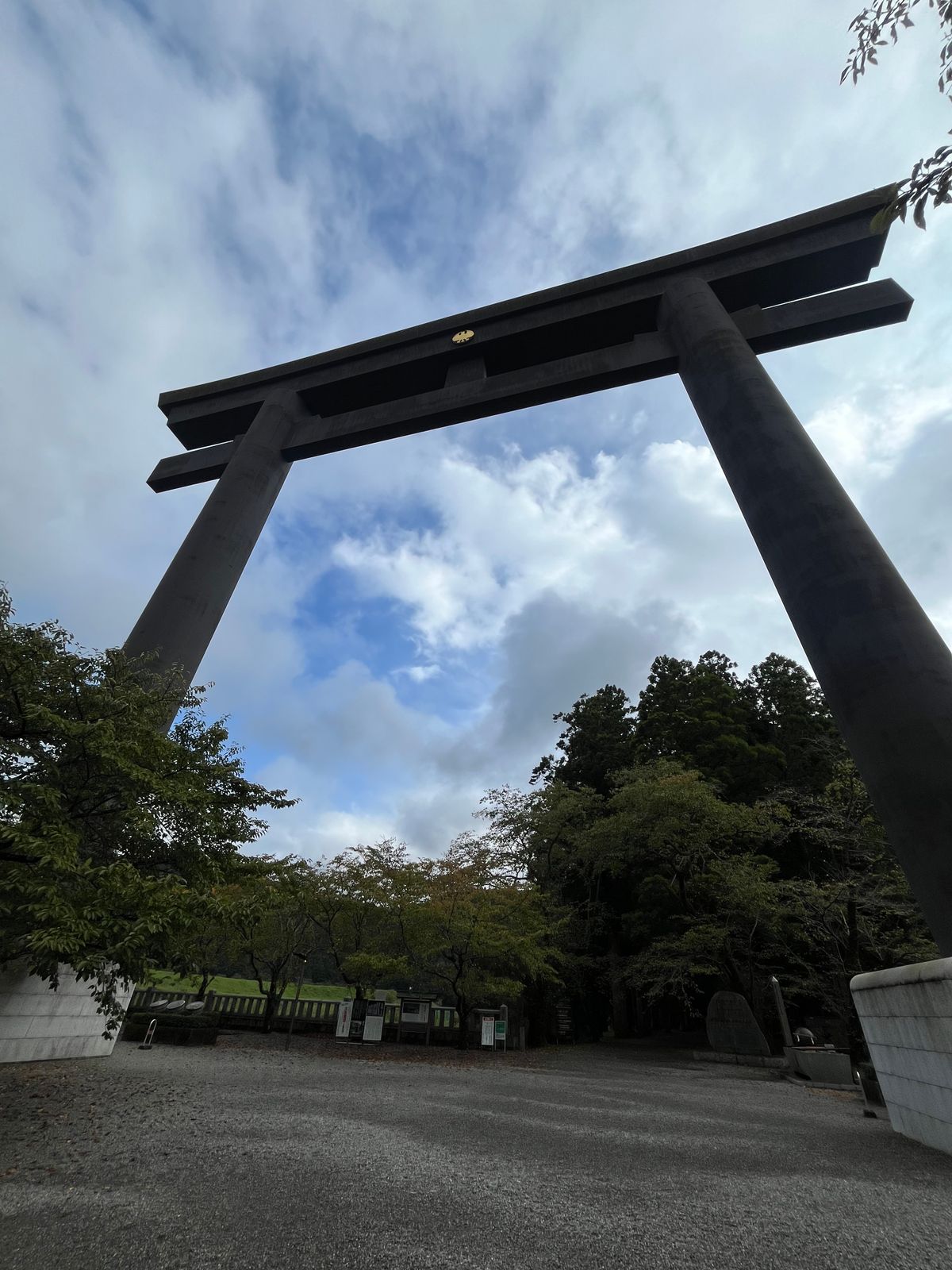
We stayed at Iseya, a ryokan in this onsen town. This was probably the best room we stayed in on the trip, simply because it was spacious and came with a private bathroom, which felt luxurious. The ryokan also had amazing onsen facilities, including both indoor and outdoor baths. This accommodation didn’t include any meals, so we ate at a nearby restaurant.


This guesthouse also provided yukata for us to wear at night.
Nakahechi — Day 5


Yunomine Onsen to Koguchi
Distance: 11.79 miles
Elevation Gain: 3,013 ft
Time: 4 hours 58 minutes

We left Yunomine Onsen at 6:30 a.m. The host at Iseya had recommended catching the bus in the morning, which would have taken us to the trailhead and saved about 1.5–2 hours of walking. The first hour of walking would have been retracing the small steep mountain we climbed the night before, followed by about 45 minutes mostly on the road to reach the trailhead for Koguchi. We decided to walk the entire route instead of taking the bus, because we were committed to walking the full pilgrimage route. Just before reaching the trailhead, there was a konbini where we restocked on more snacks for the day.
We noticed that more people were on the trail today, many of whom had been dropped off at the trailhead. We started hiking early, trying to avoid getting stuck behind the larger groups. This day was shorter and had less elevation than most others. This section of the trail also seemed the most accessible, there were hikers of all ages enjoying it.
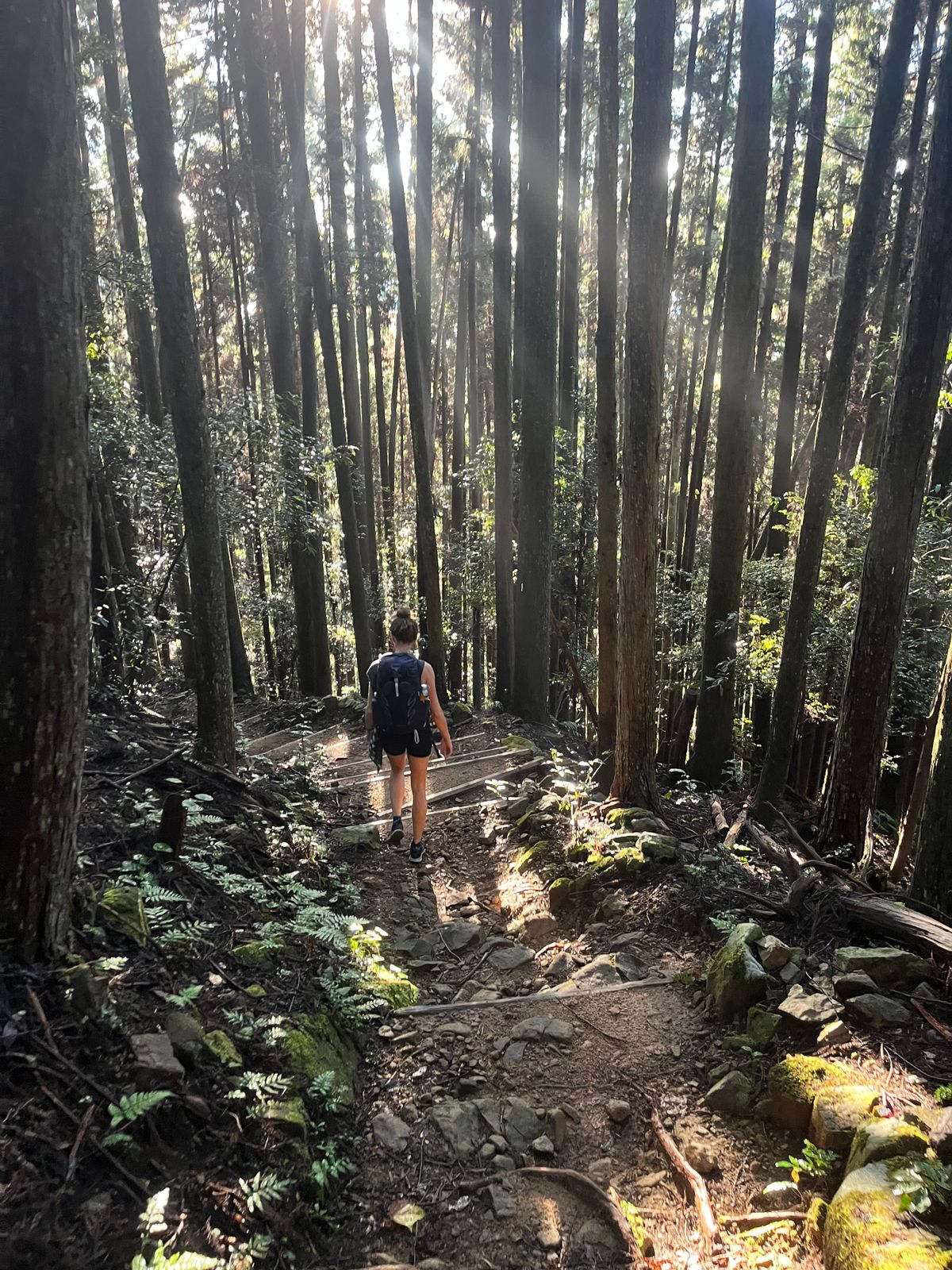
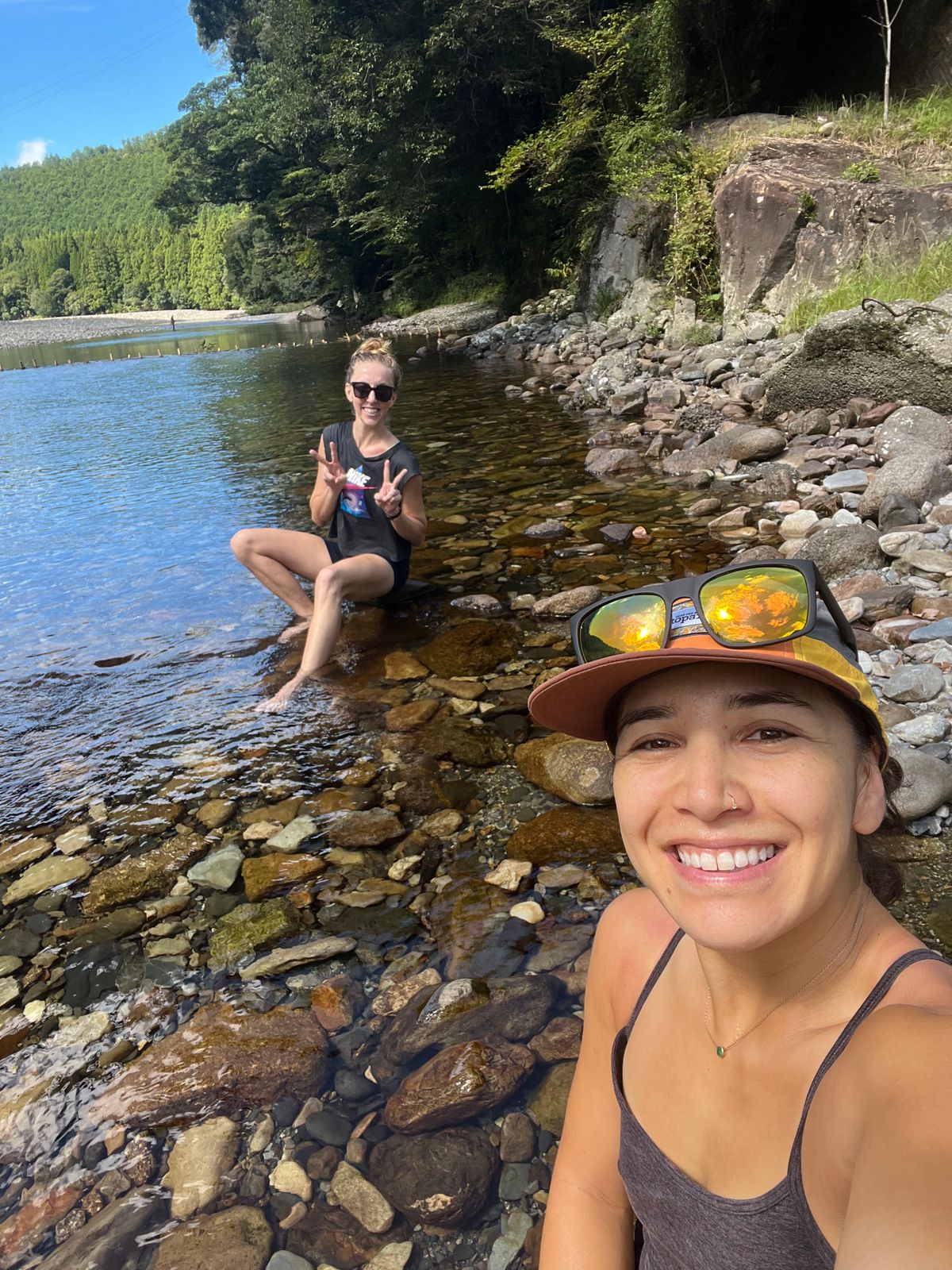
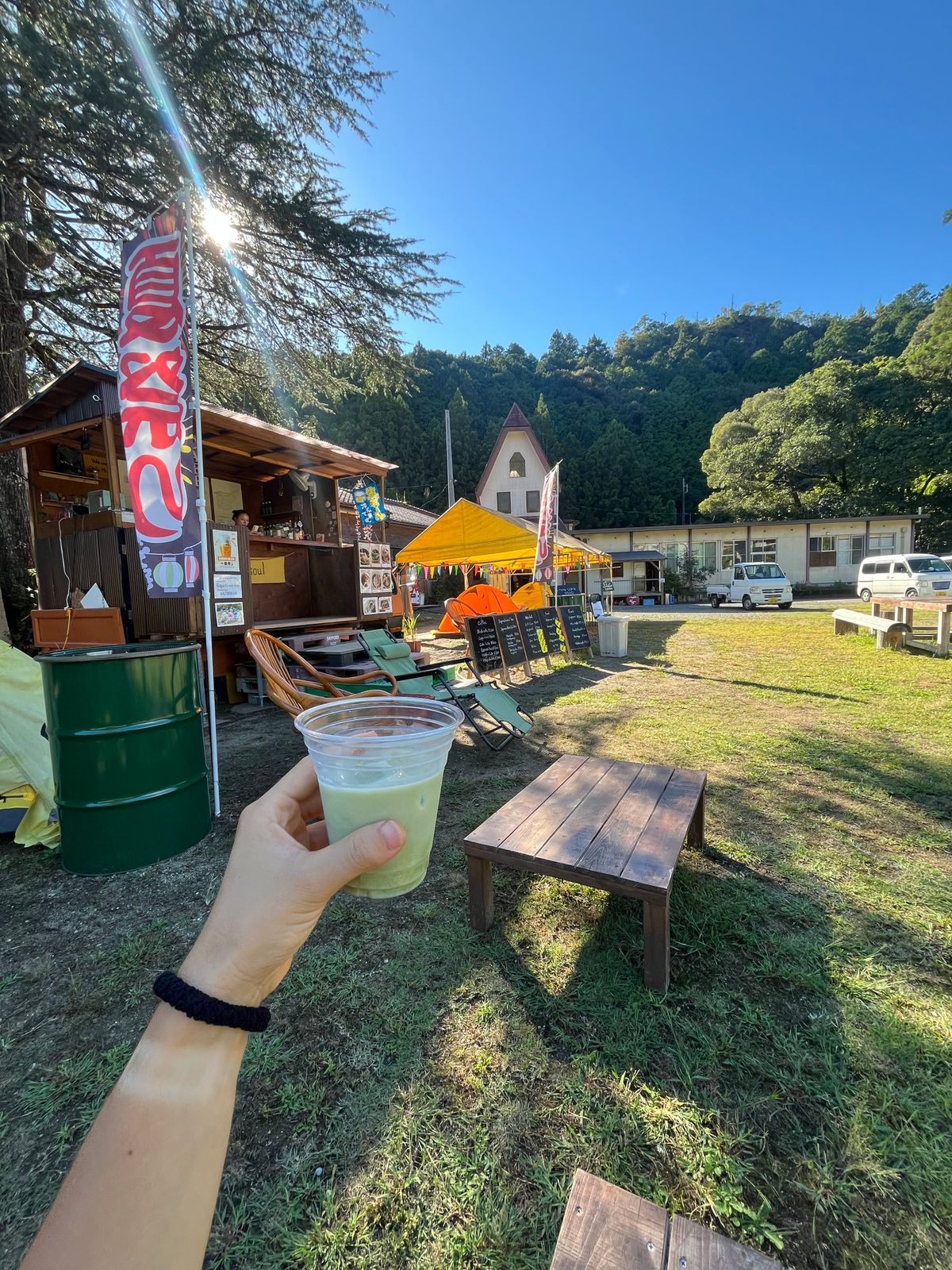
We finished the trail beside a beautiful river. We took off our shoes, dipped our feet in the cool water, and sat on a rock to enjoy some snacks. It felt incredibly refreshing and well-deserved. We then crossed the river and walked on the road for about 10 more minutes to reach our accommodation: Koguchi Shizen-no-ie. This was by far the most unique place we stayed. The building used to be a local middle school that had closed, likely due to population decline. Someone renovated the old school into a guesthouse, campgrounds, and summer camp-like vibe, preserving its character while creating spacious rooms filled with beautiful natural light.
The former school’s dining room became a communal eating area for hikers, and the grassy outdoor space turned into a fun hangout spot for everyone, whether staying at the guesthouse or waiting for the bus. Drinks, tea, and snacks were available, music was playing, and everyone was chatting and relaxing. All the staff were kind and welcoming, and they seemed genuinely happy in their work.
After showering and taking a bath, we walked around the small town of Koguchi to visit the only shop selling snacks. Although the options were limited, we grabbed a few treats before heading back to Shizen-no-ie. We spent the rest of the afternoon outside on the grassy area, watching hikers come and go as they hung out on the grassy common area until dinner.

This guesthouse also provided yukata for us to wear at night.
Nakahechi — Day 6


Koguchi to Nachi Taisha
Distance: 13.57 miles
Elevation Gain: 4,914 ft
Time: 5 hours 49 minutes
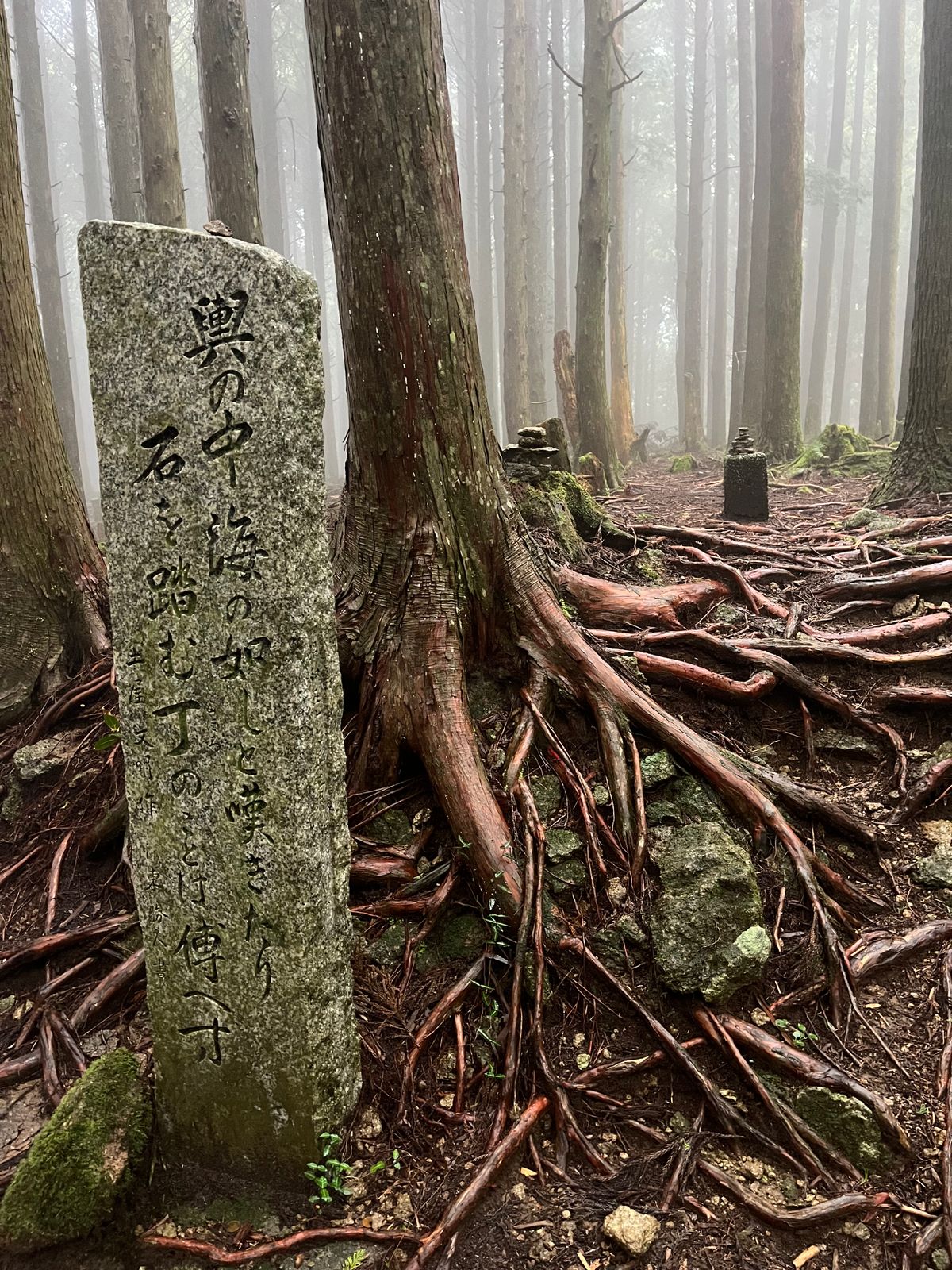

The next morning, we had breakfast in the dining room with all the hikers, grabbed our packed lunches, and set off by 6:30 a.m. for the final day of hiking. This day was going to be a super challenging climb, probably the hardest of the entire trip, and it definitely lived up to that, especially because it was our last day, and our legs and bodies are already tired. The trail felt like endless stairs going straight up. It rained and was misty all morning, so we couldn’t see the views from the viewpoints.
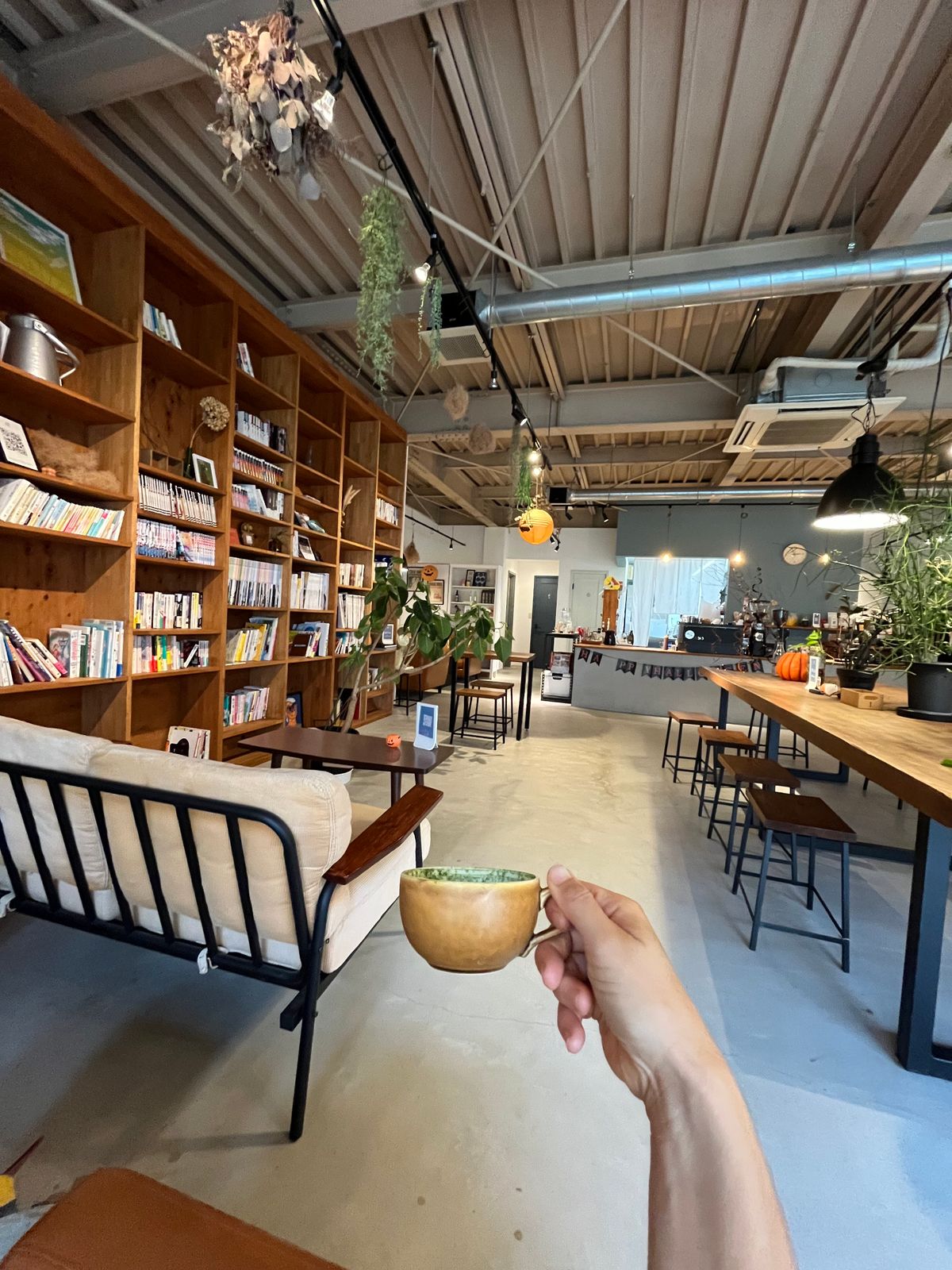
We finally arrived at Nachi Taisha, the final destination of our hike. At the gift shop, we bought soft-serve ice cream, looked for stamps to fill our book, purchased some amulets, and took photos. We then walked down to Nachi Falls. We took a few photos but didn’t pay to go further for prayers, instead enjoying the views from where we could. From there, we caught a bus to the train station, and then a train to the town of Shingu, where our final accommodation was Shingu Guest House Sou.
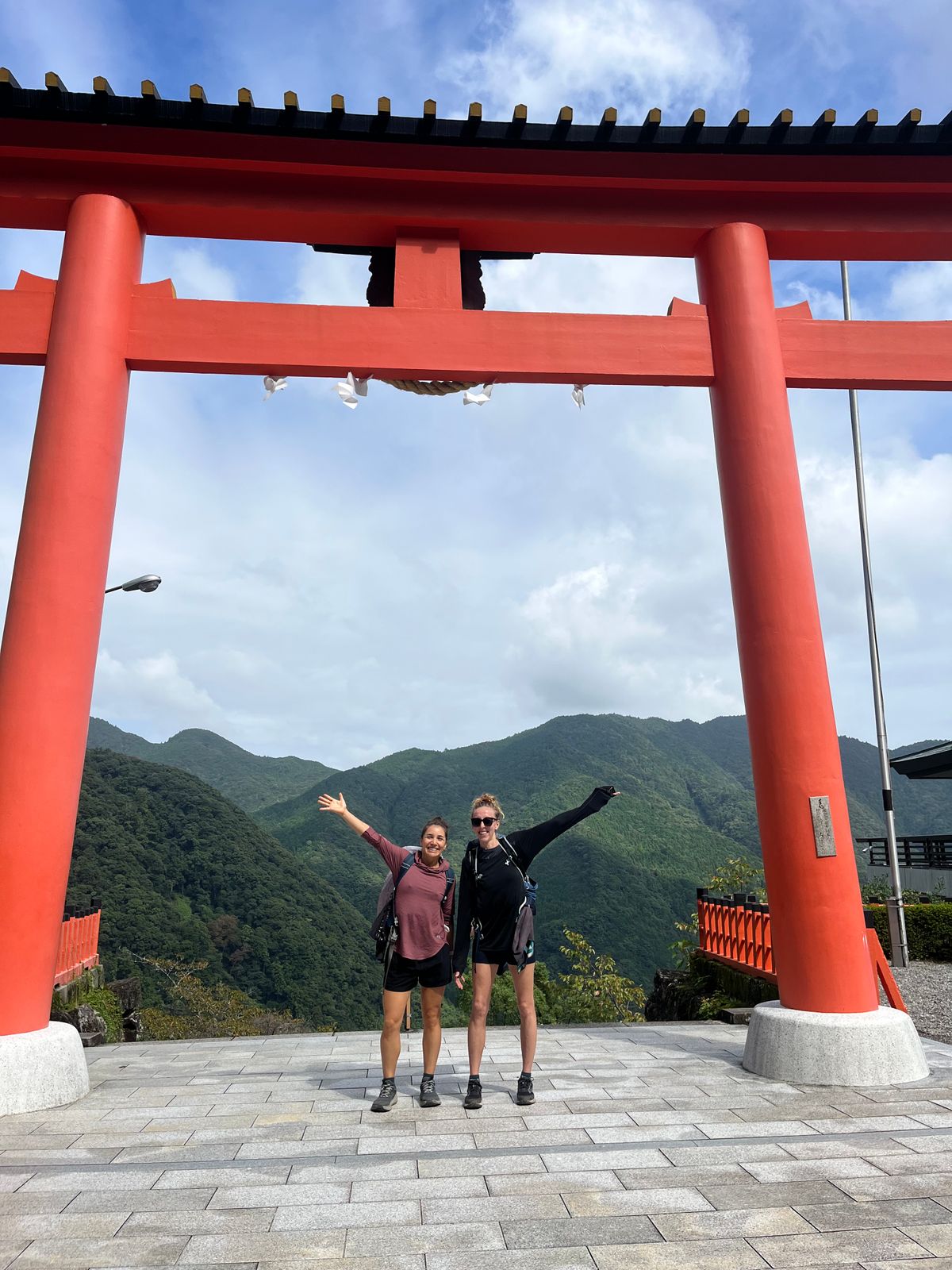


When we arrived, the door was locked, and we couldn’t check in until 4 p.m. we had arrived around 2 p.m. So, we walked to the nearest cute neighborhood’s coffee shop to hang out. It was such a fun little spot, and even though we were tired, it was a nice way to relax and sip on coffee or matcha as we waited to check-in.
Shingu was bigger than any of the towns we had stayed in during the pilgrimage. There were large grocery stores, konbini, Daiso, and pretty much everything you could need. That night, we walked to an okonomiyaki restaurant and enjoyed okonomiyaki with a Lemon Sour to celebrate finishing our trek! We also found a cute self-serve grocery store where we bought some sweet treats for the evening.

This guesthouse did not provide yukata for us to wear at night.
Shingu — Day 7
Shingu
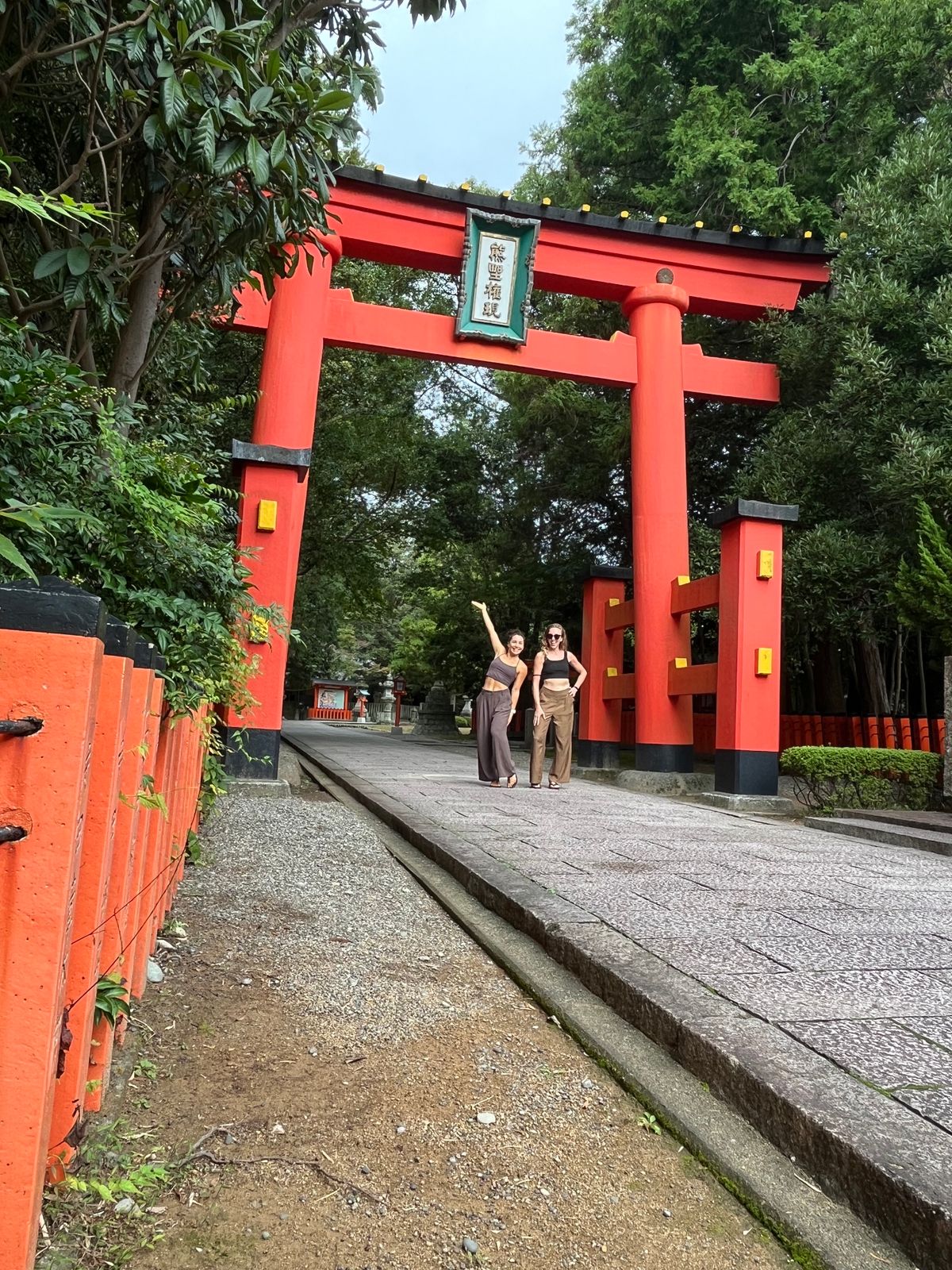
We woke up early and had a konbini breakfast with instant coffee. Then we borrowed the free bicycles from the guesthouse to visit the final three shrines in Shingu and collect our last three stamps. We started with Asuka Shrine, which was very close to our accommodation, then rode to Kumano Hayatama Taisha. It was still early, and nothing was open, but we were able to see a Shinto priest praying and chanting at the shrine.

Next, we visited the final shrine: Kamikura Jinja Shrine. The stamp was located at the base of the steep stairs leading up to the shrine. After collecting the final stamp, we climbed probably the steepest steps of the trip to see the shrine at the top. The view was breathtaking; it overlooked the town of Shingu and extended out to the ocean. This concluded our pilgrimage.

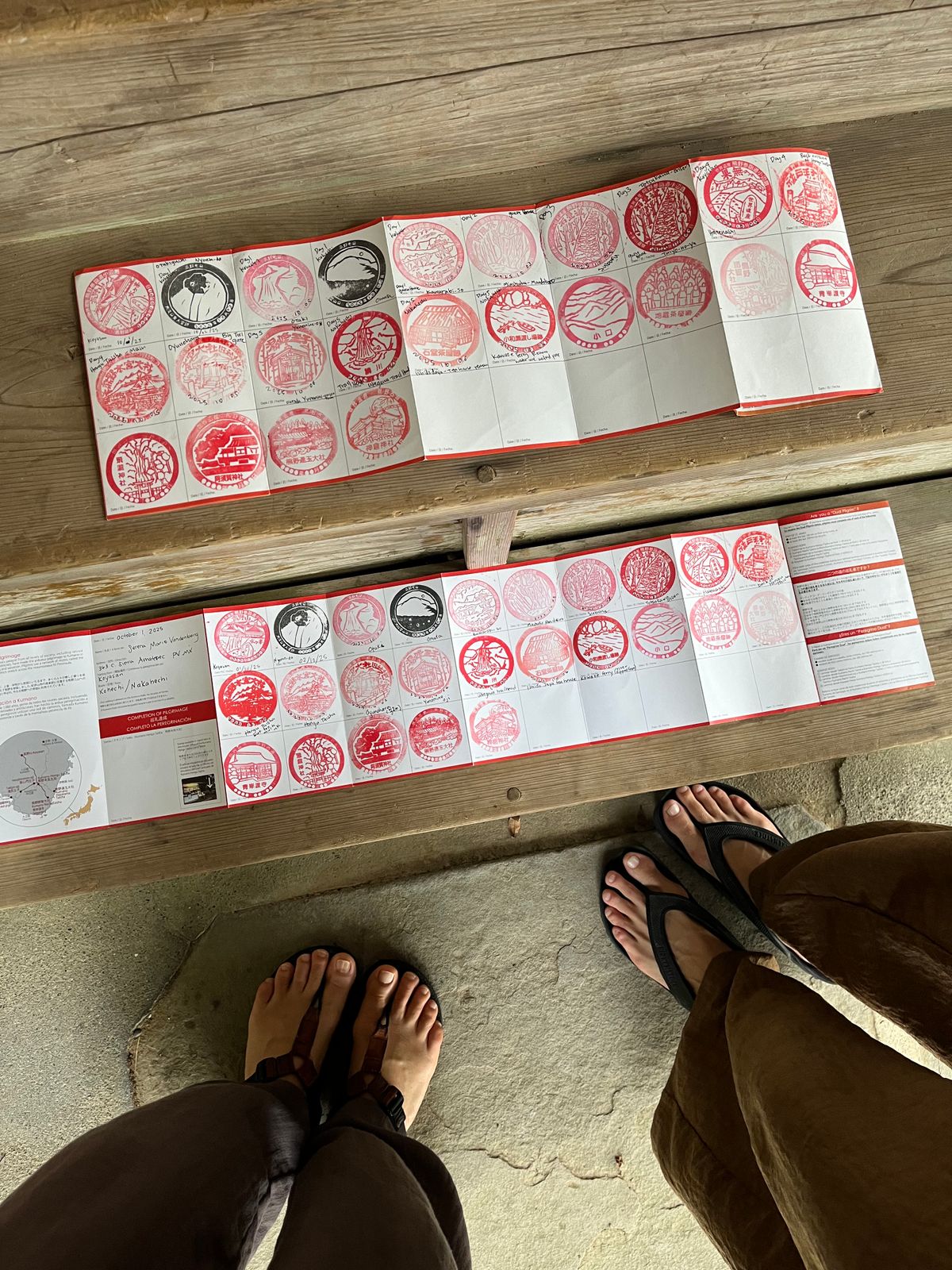


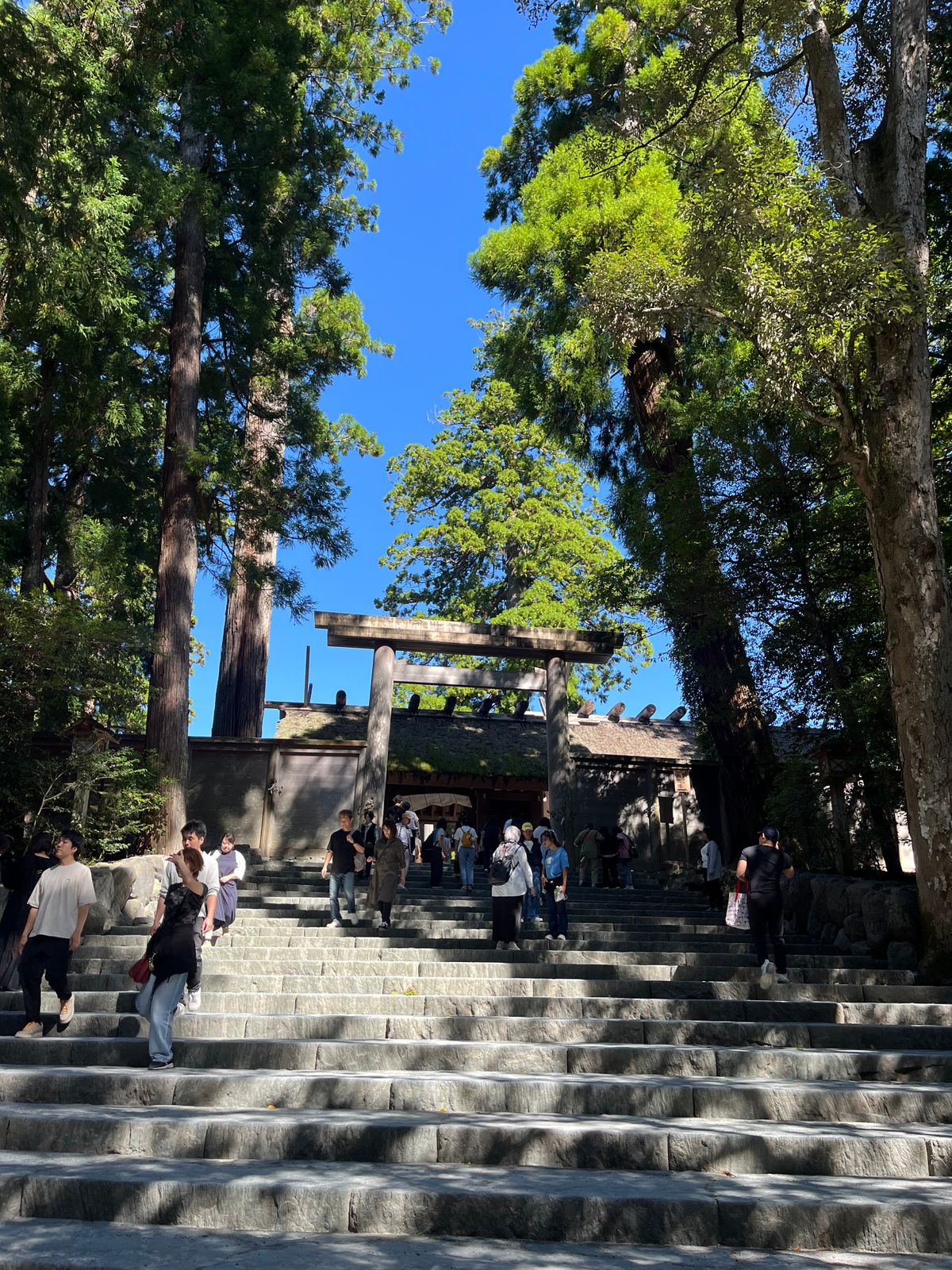
After visiting the three shrines, we rode our bicycles back to the accommodation to check out. Then we walked to the train station to catch a train to Ise, where we spent the next two nights resting, recovering, and visiting two more famous and significant shrines. Some consider the shrines in Ise as part of the Kumano pilgrimage, so we were glad to be able to visit them.

Conclusion
Total Miles: 76.08
Total Km: 122.44
Total Elevation Gain: 21,743 ft / 6,627.27 m
Total Days of Walking: 6
I had a wonderful time walking the Kumano Kodo, combining the Kohechi and Nakahechi routes. This was my first extended hiking trip and my first pilgrimage of any kind. I really appreciated experiencing my homeland’s nature, culture, people, and spirituality in this way.
With our fitness level, this route was doable. We did experience some aches and pains in our ankles, knees, and hips along the way, but we didn’t use hiking poles and had no major injuries that prevented us from moving forward each day.
Packing List
We definitely over-packed, so here’s what I brought and my thoughts on each item:
Backpack:
I used 40 liter backpack, but 30 liter would have been enough
Water:
Water bottle or Camelbak: 1 liter was enough for me with refill points along the way. If you drink more water, bring more.
Water filter: Used once on the last day for a river; not necessary, but can be helpful.
Clothing & Outerwear:
Rain jacket: The Waterproof jacket was a lifesaver.
Rain cover for backpack: Definitely needed.
Sun hoodie: Used frequently to put on and take off as an extra layer, and very handy.
Puffy jacket: Didn’t use at all; comforting to have, but was not necessary.
One pair hiking pants & one pair hiking shorts
Yoga pants: Not necessary; didn’t wear.
Two tank tops (I did not need to bring sports bra as good fitting tank top will do for my small chest)
Three pairs of wool socks: Probably could have gotten by with two
One casual outfit: Came in handy during three days in Ise, but was not necessary for the hike portion of the trip
Sleeping clothes: Only needed twice at places that did not provide yukata; something lighter would have been better
Gear & Electronics:
Small first aid kit
Garmin Forerunner & charger: Charged nightly
Phone & charger
Extra battery & charger
Toiletries & Personal Care:
Toothbrush & toothpaste, floss, tongue scraper, retainer, face wash, moisturizer, deodorant
Sunscreen: A must
Hat & sunglasses
Face masks for night: Luxury item; nice for self-care at night
Food & Drinks:
Bag of snacks: Refilled frequently throughout the trip
Instant coffee: Essential! We realized many traditional Japanese breakfasts don’t include coffee. Buying small packs throughout was inconvenient; a large pack from the start would have saved time and money.
Multivitamins
Navigation & Documentation:
Guidebook: Heavy, but nice to have
Maps with elevations (Kohechi and Nakahechi)
Stamp book & extra ink pads: Only used extra pads once, so may not have been necessary
Notebook & pen: Journaled every day and kept detailed records
Footwear:
Hiking shoes: I used Altra trail running shoes and was glad I didn’t bring bulky boots
Active sandals: Bedrock sandals were a must for switching after hiking
Takeaways

I am still processing my experience on this pilgrimage trail. It had a profound impact on me, and I had such a wonderful time. Looking back at my photos and memories from the trip, I realize how influential and meaningful it was.
I learned the power of simplicity. Every day was centered around just waking up, eating, and walking, this was the sole purpose of each day. This simplicity allowed me to be more present, find joy in small moments, and truly appreciate the simple things in life. Coming from the busy, hustle-driven culture of Los Angeles, this experience was a much-needed healing medicine. Being surrounded by powerful nature and Shinto’s spirituality almost every moment of the hike was incredibly restorative. Breathing fresh air, walking through ancient forests, praying at every small and grand temples and shrine, and immersing myself in nature reminded me how healing it is to reconnect with the earth’s spirit.
This trip was especially meaningful because I experienced it with my best friend of 25 years. I feel immense gratitude for our friendship and how beautiful it was to share every step of this journey together.
I also experienced the beauty of community care. Stepping away from the city and spending time in small towns across Japan, we encountered countless acts of kindness and generosity from strangers. It reminded me how important it is to care for one another and look after our neighbors.
Taking time away from my daily grind in Los Angeles also brought me towards clarity, or more like necessary inquiries. Stepping back from my identity as a “yoga teacher” allowed me to reflect on who I am beyond my career and daily responsibilities. Creating space to pause, reflect, and realign with my values felt deeply necessary and nourishing.

Reika Yoga | OCT 22, 2025
Share this blog post

 OfferingTree